
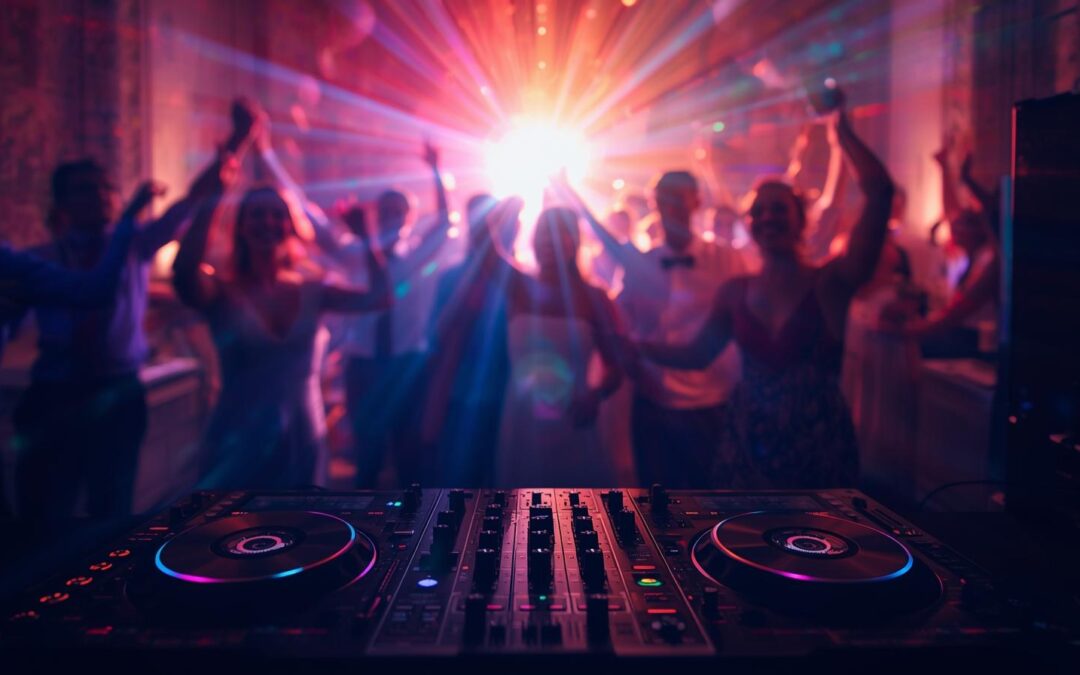
Weddings are emotional, beautiful, and deeply personal events. They mark the beginning of a new chapter and bring together family and friends for a celebration unlike any other. While every detail matters—the venue, décor, food, flowers, fashion—there is one element that silently shapes the entire emotional arc of the reception: the DJ.
A skilled wedding DJ is far more than someone pressing play. They are the event’s vibe architect, energy conductor, and experience designer. From the moment guests arrive to the final dance, the DJ silently guides the flow, tone, and emotion of the night. Their music, timing, announcements, presence, and intuition collectively shape how guests remember the celebration.
In this deep dive, we’ll explore why the DJ’s role is one of the most essential parts of any wedding reception—and how the right DJ can transform a good wedding into an unforgettable one.
1. Setting the Mood Before Guests Even Arrive
Long before the DJ introduces the wedding party, cues the first dance, or opens the dance floor, they’re already influencing the experience. The vibe begins during:
Pre-ceremony (if they’re covering it)
Light acoustic guitar, soft piano, or modern romantic covers set a calm, welcoming tone as guests take their seats. The music communicates the couple’s personality even before they appear.
Cocktail Hour
Cocktail hour is the bridge between formalities and fun. A DJ chooses music that keeps guests engaged—something upbeat enough to energize, but relaxed enough to encourage conversation. Whether it’s lo-fi beats, Motown classics, smooth jazz, or indie-pop, the playlist sets the social tone.
A well-chosen cocktail hour playlist:
- Encourages mingling
- Sets the emotional tone
- Foreshadows the evening’s energy
- Keeps guests from feeling like they’re waiting
A silent room during cocktail hour feels awkward. A room with purposefully selected music feels alive.
2. Master of Timing: The Invisible Backbone of the Reception
Timing is everything in a wedding reception. The flow can feel effortless—or chaotic—depending on one person: the DJ.
A professional DJ controls the tempo of the night, not just the tempo of music. They coordinate with:
- Caterers
- Event planners
- Photographers
- Videographers
- Venue staff
And they do it all while reading the room.
Here’s how timing shapes the experience:
Grand Entrance Timing
The wedding party’s entrance is the first big moment of the reception. The DJ:
- Selects music that matches the couple’s style
- Builds anticipation with volume and pacing
- Introduces names with clarity and energy
- Times cues so each group or person enters at the perfect moment
If this moment is high-energy, the whole reception lifts. If it’s flat or rushed, the energy takes longer to build.
Dinner Music Transitions
The DJ keeps music at a level and tempo that encourages conversation rather than overpowering it. Songs with a warm, relaxing groove keep guests engaged without draining their energy.
Toast & Speech Cues
The DJ ensures:
- Microphones work
- Each speaker is introduced smoothly
- Background music fades correctly
- The mood shifts appropriately between heartfelt and upbeat moments
These transitions shape the emotional flow, keeping the evening cohesive.
Dance Floor Timing
This is where great DJs shine.
There’s a magical moment when guests are ready to dance—but if the DJ misses that window, it can take 30 minutes (or longer) to recover. Opening the dance floor at the right time, with the right song, is an art form.
A skilled DJ can feel the room shift. They see the subtle signs:
- People tapping their feet
- Kids bouncing around
- Friends in groups starting to sway
- Guests finishing dessert and standing up
That’s when they drop the perfect song.
A perfectly timed start fills the dance floor within seconds.
3. The DJ as the Reception’s Emotional Storyteller
Every wedding has a story—a beginning, a build-up, a climax, and a joyful ending. The DJ uses music to narrate it.
The Build-Up
Early dances—couple’s first dance, parent dances—are deeply emotional. The DJ ensures the lighting, sound, and transitions amplify those moments.
The Turn
This is when the night shifts from sentimental to celebratory. The DJ chooses just the right track to bridge the gap—something nostalgic, joyful, and recognizable that pulls everyone in.
The Peak
A great DJ knows when to push the energy:
- playing sing-alongs
- dropping dance anthems
- mixing genres
- surprising the crowd
- playing mashups or extended mixes
This is the part where memories are made—when guests lose themselves in the moment.
The Slow Down
Not every moment is high energy. The DJ controls when to slow the tempo, allowing guests to rest, laugh, grab a drink, and reconnect.
The Finale
The last song is the emotional send-off. It can be:
- a big, joyful anthem
- a romantic sing-along
- a nostalgic track
- a song meaningful to the couple
This final moment stays with people long after the wedding ends.
4. Reading the Room: The DJ’s Secret Superpower
What separates a good DJ from a great one?
The ability to read the room.
A playlist alone cannot create a memorable reception. Human intuition is required. A skilled DJ observes:
- Who is dancing
- Who isn’t
- Which age groups are responding
- Which genres the crowd gravitates toward
- When to slow it down
- When to go bigger
They constantly adjust.
Crowd psychology at weddings is unique.
You’re dealing with a mix of:
- Young kids
- Teens
- College-age guests
- Parents
- Grandparents
- The couple’s closest friends
- People who haven’t danced in years
- Guests who love dancing
- Guests who need encouragement
A DJ has to create harmony among these groups while keeping the energy cohesive. This is why simply handing a playlist to someone who isn’t a DJ rarely works.
A great DJ knows how to:
- Read subtle shifts in crowd mood
- Anticipate what song will keep people dancing
- Blend genres smoothly
- Connect eras (70s funk → 90s hip-hop → 2010s pop)
- Maintain a flow that feels natural
This is part art, part science, and part instinct.
5. The MC Role: Guiding Guests Without Being Overbearing
A wedding DJ isn’t just responsible for music—they’re also the master of ceremonies.
A good MC:
- Makes clear, confident announcements
- Keeps things on schedule
- Uses their voice with intention—not too much, not too little
- Brings energy without stealing the spotlight
- Helps guests know what to expect next
A bad MC can ruin even the most beautiful wedding.
The best MCs:
- Sound warm and natural
- Keep guests informed
- Know how to get a reaction without shouting
- Maintain a professional presence
- Elevate the couple, not themselves
When executed correctly, guests never feel lost, rushed, or confused.
6. Music Selection: Crafting the Soundtrack of a Lifetime
Music is emotional. The right songs bring people closer, trigger memories, and set the tone for the entire evening.
A wedding DJ creates a musical journey that:
- Reflects the couple’s relationship
- Resonates with multiple generations
- Fits the flow of the timeline
- Keeps the dance floor full
- Enhances emotional moments
- Feels personal and intentional
Special Moment Songs
- Ceremony seating
- Bridal entrance
- Processional
- First dance
- Parent dances
- Cake cutting
- Bouquet toss
- Last dance
Each of these moments deserves its own soundtrack.
Dance Floor Sets
A DJ mixes:
- Top 40
- Motown
- 70s disco
- 80s pop
- 90s hip-hop
- 2000s classics
- EDM
- Latin
- Country
- R&B
- Sing-along anthems
- Throwbacks
Each set is built to pull different groups to the dance floor at different times, ensuring everyone gets their moment.
7. Mixing Skills: Keeping the Flow Alive
A DJ doesn’t just play songs—they blend them. Seamless transitions keep people on the dance floor without breaking the energy.
A skilled DJ:
- Beat-matches
- Blends tempos smoothly
- Avoids awkward dead air
- Knows when to switch early
- Knows when to let a song ride
- Creates a flow that feels continuous
Great mixing keeps the dance floor alive—bad mixing empties it.
8. Creating Memories: How the DJ Helps Guests Feel the Magic
When people talk about an amazing wedding reception, they rarely say:
- “The napkins were beautiful.”
- “The chairs were perfect.”
- “The centerpieces were stunning.”
Even though those things matter, what guests actually remember is:
- How much fun they had
- How much they danced
- How connected they felt
- How special the couple looked
- How electric the energy was
- How joyful the night became
Those feelings are created by music, timing, and energy—all controlled by the DJ.
A great DJ gives guests permission to:
- Laugh
- Dance
- Celebrate
- Let loose
- Feel connected
- Enjoy the moment
- Make memories that last
Weddings are emotional, but receptions are meant to be unforgettable. The DJ is the reason people walk away saying:
“This was the best wedding I’ve ever been to.”
9. Handling the Unexpected: The DJ as Problem Solver
Behind the scenes, the DJ is constantly troubleshooting without guests ever knowing.
They handle:
- Microphone issues
- Timeline delays
- Venue restrictions
- Sound balancing
- Music requests
- Last-minute changes
- Group coordination
They adapt instantly so the couple never feels stress.
A calm, experienced DJ ensures the night feels smooth—even when unexpected things happen.
10. Technology, Gear, and Setup: The Silent Foundation
Professional equipment matters.
A great DJ brings:
- High-quality speakers
- Wireless microphones
- Backup equipment
- Lighting
- Mixers
- Controllers
- Clean cables
- Professional staging
This affects:
- Speech clarity
- Dance floor energy
- Ambience
- Reliability
- Safety
When the DJ looks and sounds professional, the whole night feels polished.
Final Thoughts: The DJ Is the Experience
A wedding DJ doesn’t just play music—they create memories. They guide the night with purpose, emotion, rhythm, and intention. The right DJ sets the tone from start to finish, shaping how guests feel, interact, celebrate, and remember the day.
Music is powerful. Energy is contagious. Timing is everything.
And the DJ is the one who brings it all together.
When couples invest in a great DJ, they aren’t just hiring someone to play songs—they’re hiring someone to create the atmosphere, elevate the moment, and transform a wedding into something unforgettable.
Your venue sets the scene.
Your décor sets the style.
Your food fills the stomach.
But your DJ sets the tone.
And the tone is what your guests will remember for years to come.