
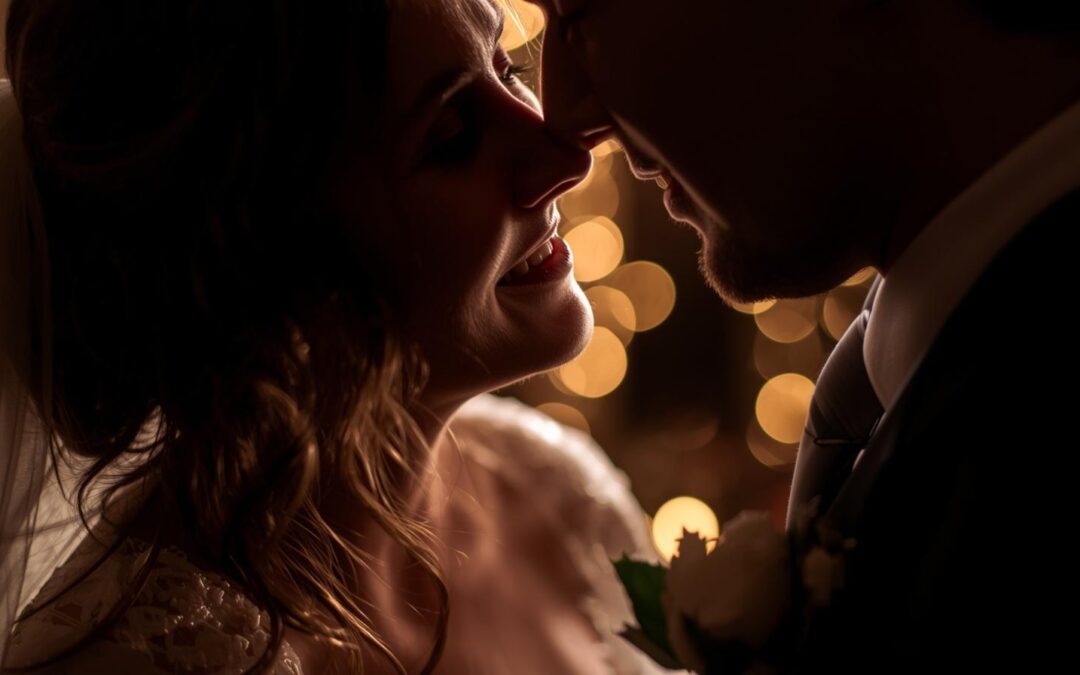
An insider’s look at how uplighting, dance floor lighting, and professional sound make or break the vibe
When most people think about weddings, parties, or corporate events, the first thing that comes to mind is music. And that makes sense—music drives emotion, energy, and memory. But as any experienced DJ, MC, or event planner will tell you, music alone doesn’t make an event unforgettable. Lighting and sound are just as critical, if not more so, in shaping the mood and keeping guests engaged.
In this insider’s guide, we’ll dive deep into why professional lighting and sound matter, how they affect the overall vibe, and why investing in them is as essential as booking the perfect playlist.
The Psychological Power of Lighting
Setting the Mood Before a Note is Played
Lighting is more than a decorative element; it’s a mood-setter. From the moment guests walk in, lighting communicates the tone of the event. Bright, cold lighting can feel sterile or formal, while warm, dynamic lighting creates intimacy, excitement, and anticipation.
Example: Uplighting along the walls of a reception hall can transform a plain banquet room into a luxurious, elegant space. Colors can be matched to the wedding theme—soft pinks and golds for romance, vibrant purples and blues for energy, or classic white for sophistication. Guests may not consciously notice the lights, but they will feel the effect instantly.
The Science of Color
Colors influence emotions. Warm hues like red, amber, and orange evoke passion and energy, whereas cool tones like blue, teal, and purple create calm, elegance, or mystery. Professional lighting designers understand how to combine colors to evoke the desired response at different moments of an event.
Insider Tip: Color temperature also matters. Mixing lights with different temperatures can enhance photographs and videos, which is particularly crucial for weddings where memories are captured forever.
Uplighting: More Than Just Decoration
Uplighting refers to lights placed on the floor that “wash” walls with color. Though it may seem like a small detail, uplighting dramatically changes the perception of a room. A venue with neutral walls can appear mundane, but with the right uplighting, it transforms into an immersive environment.
Enhancing Photography
Uplighting doesn’t just affect live experience—it enhances photography. Photographers can use the added depth and color in their shots, which leads to more vibrant and visually appealing images. Without uplighting, even a beautiful venue can appear flat or unremarkable in photos.
Flexibility & Theme Cohesion
Many professional DJs and lighting specialists offer dynamic uplighting systems that can change color throughout the night. This allows the event to have multiple moods: romantic soft hues for dinner, transitioning to energetic blues and purples for dancing. By tying lighting to the event schedule, the entire room evolves with the party.
Dance Floor Lighting: The Heartbeat of Energy
If uplighting sets the mood of the room, dance floor lighting drives energy. These are the lights that move, flash, and pulse in time with the music, and they are vital for creating a party atmosphere.
Moving Lights and Spotlights
Moving lights—sometimes called intelligent lights—can rotate, pan, tilt, and even project patterns on the dance floor. They can be synchronized to music beats, creating an immersive experience that engages guests and encourages dancing. Spotlights and follow spots can be used to highlight special moments, like the first dance, cake cutting, or speeches.
Gobos and Patterns
Gobos are metal or glass templates placed inside lights to project patterns—such as monograms, flowers, or stars—onto the dance floor. They’re an understated yet powerful way to personalize an event. Imagine the couple’s initials spinning slowly across the floor during their first dance. That’s a memory that stays with guests.
Avoiding Common Pitfalls
Poorly executed dance floor lighting can have the opposite effect—it can be too bright, too distracting, or out of sync with the music. Professionals understand how to balance lighting intensity, speed, and placement, ensuring guests feel energized rather than overwhelmed.
Professional Sound: The Backbone of an Event
Even the most curated playlist will fall flat without professional sound. Poor audio quality, low volume, or uneven coverage can turn a night of celebration into a frustrating experience.
Sound Distribution
Professional DJs and sound engineers know how to distribute sound evenly across a venue. This prevents dead zones, where guests struggle to hear the music, and hot spots, where the volume is painfully loud.
Example: Large ballrooms or outdoor venues require strategic speaker placement. This often involves multiple speakers, subwoofers for deep bass, and careful calibration of EQ (equalization) settings to ensure clarity across all frequencies.
The Importance of a Sound Check
A professional sound check before the event guarantees that levels are balanced. This is especially important for live components, such as speeches, live musicians, or vocal performances. Proper microphone setup ensures every word is heard without distortion or feedback.
Bass, Clarity, and Atmosphere
Bass drives physical energy—guests feel it in their bodies. High-frequency clarity ensures vocals and melodic instruments are crisp. Professional DJs know how to mix both, creating a sound environment that makes the dance floor irresistible.
Integrating Lighting and Sound for Maximum Impact
Lighting and sound should not exist in isolation—they are two sides of the same coin. When synchronized effectively, they amplify each other’s effects, creating a cohesive and immersive experience.
Beat-Synced Lighting
Some DJs use lighting systems that respond directly to the music. Every beat, snare, or bass drop triggers a light effect, making the room feel alive. Guests are not just listening—they are immersed in a multi-sensory experience.
Emotional Arc of the Event
Lighting and sound together create the emotional journey of the night. A professional DJ/MC plans this carefully:
- Cocktail Hour: Soft, welcoming lighting with unobtrusive background music.
- Dinner: Ambient lighting to encourage conversation, while music sets a relaxed yet celebratory tone.
- Grand Entrance / First Dance: Spotlighting combined with crisp, high-energy sound for maximum effect.
- Party / Dance: Dynamic dance floor lighting paired with powerful sound encourages guests to move and celebrate.
- Wind-Down / Send-Off: Subtle lighting and mellow music to transition the event smoothly to its close.
Case Study: The Difference a Professional Setup Makes
Imagine two weddings. Both have the same songs, the same guests, and similar venues. The difference? One invested in professional lighting and sound; the other did not.
- Wedding A: The room is lit with harsh fluorescent lights. Music is played through a small portable speaker. Guests can hear conversations but feel no energy on the dance floor. Photos are dull and uninspiring. The vibe feels lackluster.
- Wedding B: The room features warm uplighting, a coordinated lighting scheme, and professional sound strategically placed. Dance floor lights pulse in sync with the music. Guests are drawn to the dance floor, photos pop with color and energy, and the overall memory of the night is vibrant and alive.
The lesson is clear: lighting and sound elevate the event beyond the playlist.
Lighting and Sound Budgeting Tips
Don’t Skimp on Quality
Many clients focus solely on the DJ’s playlist or MC skills, overlooking lighting and sound. While DIY setups can work in a pinch, they rarely deliver the polished, professional impact of high-end equipment.
Package Deals
Many professional DJs offer packages that include lighting and sound. Bundling these services can actually save money while ensuring cohesion.
Venue Considerations
Always consult the venue. Some locations have restrictions on lighting, power, or speaker placement. A professional will know how to work within these constraints while still delivering maximum impact.
The Role of the DJ/MC in Coordinating Tech
A DJ or MC doesn’t just play music—they orchestrate the entire audio-visual experience. This involves:
- Coordinating lighting cues with music.
- Adjusting sound levels throughout the night based on crowd size and energy.
- Collaborating with photographers, videographers, and other vendors to avoid interference.
- Anticipating and preventing technical issues before they disrupt the event.
This professional oversight ensures that every song, speech, and moment is delivered flawlessly.
Trends in Lighting and Sound
LED and Smart Lighting
Modern LED lighting is energy-efficient, customizable, and capable of producing a vast spectrum of colors. Smart systems can be controlled via apps, allowing DJs to adapt instantly to the vibe of the room.
Wireless and Battery-Powered Sound
Portable sound systems are more powerful than ever. Battery-powered, wireless setups allow for outdoor ceremonies and unconventional venues without sacrificing quality.
Interactive Guest Experiences
Some DJs integrate lighting effects that guests can interact with, such as motion-activated dance floor lights or app-controlled uplighting. This adds a new level of engagement and excitement.
Final Thoughts: Why It’s Worth the Investment
Investing in lighting and sound is not just about aesthetics; it’s about creating an experience that guests will remember for years. Music may provide the soundtrack, but lighting and sound are the architecture that supports it. Without them, even the best DJ can struggle to make an impact.
- Lighting transforms the space. It sets the mood, enhances photos, and reinforces the theme.
- Dance floor lighting drives energy. It turns guests into participants rather than spectators.
- Professional sound ensures clarity, balance, and immersive audio. It allows music to be felt as well as heard.
- Integration of all three creates a cohesive experience. Guests are immersed in a full sensory journey.
For couples, party planners, or corporate clients, the takeaway is simple: don’t compromise on lighting and sound. They are just as important as the music itself. A professional DJ/MC who understands how to integrate all these elements is not just a service provider—they’re an experience architect.