
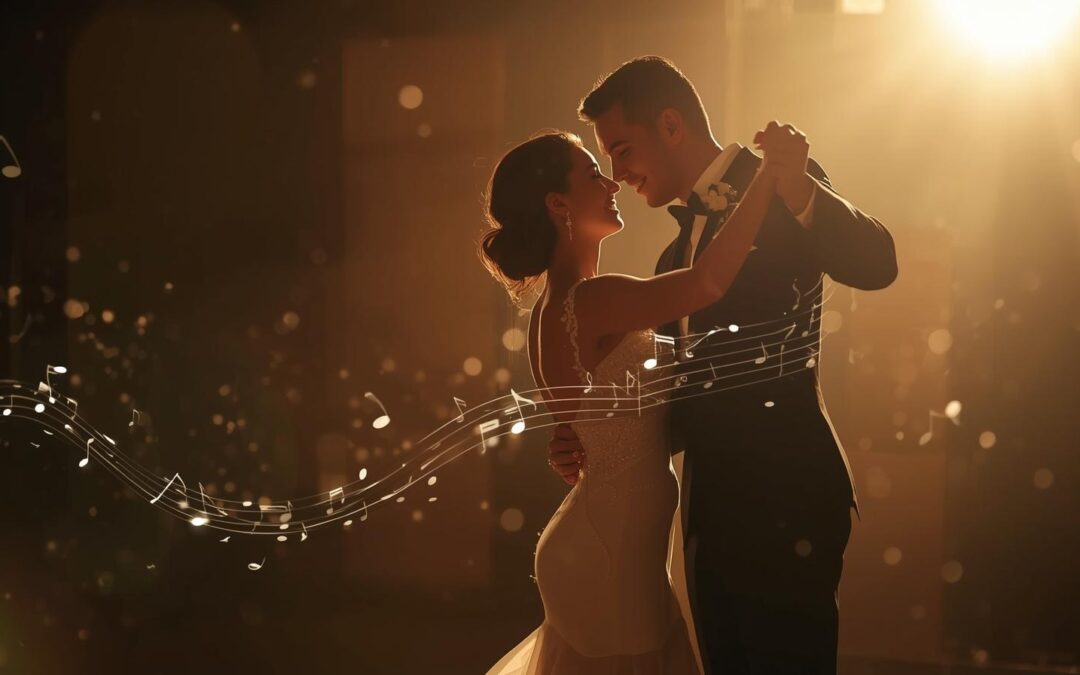
Weddings are full of special moments, but few are as anticipated and emotional as the first dance and the parent dances. These dances are more than just traditions—they are expressions of love, unity, and family connections that linger in memory long after the music stops. Whether you are a bride, groom, parent, or wedding professional, understanding how to create a perfect first dance and parent dances can elevate a wedding from memorable to truly unforgettable. This guide provides expert advice on song selection, timing, choreography, and execution to ensure these dances shine.
1. Understanding the Significance of the First Dance
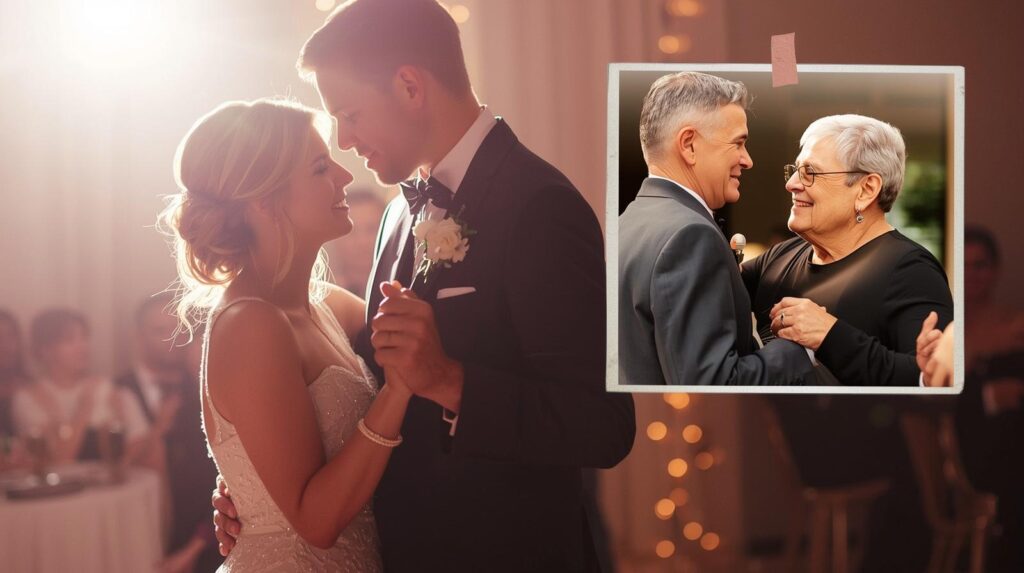
The first dance is often one of the most photographed and videoed moments of a wedding. It symbolizes the union of two people and sets the emotional tone for the rest of the reception. While it is a moment to celebrate the couple, it also presents an opportunity to express personality, style, and sentiment through music and movement.
1.1 Why It Matters
- Emotional Impact: The first dance often triggers tears, smiles, and applause from guests.
- Sets the Tone: It establishes the energy of the reception—whether romantic, lively, or playful.
- Showcases the Couple: This is the moment to reveal your chemistry and personalities to the assembled friends and family.
1.2 The Role of Timing
- Ideally, the first dance should happen after the guests are seated for dinner or after a short welcome toast, but before the formal meal begins, or as a transition from dinner to dancing. Timing it correctly ensures maximum engagement and a clear spotlight moment.
2. Choosing the Right First Dance Song
Selecting the perfect first dance song can be daunting, given the emotional weight of the moment. Here are key considerations:
2.1 Personal Connection
- The song should resonate with your story as a couple. Whether it’s a tune that played during your first date, proposal, or a shared favorite, personal significance adds authenticity.
- Avoid songs that are overly popular just for trend’s sake unless they truly reflect your relationship.
2.2 Lyrics and Meaning
- Pay attention to lyrics that match your story and values. While a catchy beat may be fun, meaningful lyrics create lasting memories.
- Be mindful of language and references; some romantic songs might have words that are too suggestive for a formal audience.
2.3 Tempo and Style
- Slow or medium-tempo songs allow for graceful movement and intimacy, while faster songs can be playful and energetic.
- Consider your dance ability: a classic waltz may require more practice, while a simple sway or two-step allows a natural flow.
- Cross-genre options (soul, jazz, indie, or even a unique mashup) can make your dance stand out.
2.4 Length of the Song
- Most first dances last 2–3 minutes, which is ideal for guests’ attention spans and the couple’s comfort.
- If the song is longer, consider fading out or editing it to maintain momentum.
3. Choreography and Movement
Even if you’re not a trained dancer, a bit of preparation ensures smooth execution.
3.1 Hiring a Choreographer
- Professional dance instructors can create routines tailored to your abilities and the song’s tempo.
- They can teach subtle moves that look elegant on camera without requiring complex steps.
3.2 DIY Planning
- Practice simple turns, steps, and holds. Even minimal choreography can make a dance appear polished.
- Focus on posture and eye contact. The chemistry between partners is often more captivating than complicated moves.
3.3 Space and Floor Considerations
- Ensure your dance floor is large enough for the intended movements.
- Remove hazards such as uneven surfaces or obstacles.
4. Parent Dances: Honoring Family Connections
Parent dances—such as bride-father, groom-mother, or other family pairings—offer a heartfelt moment of gratitude and reflection. These dances balance sentiment with timing and should complement the flow of the reception.
4.1 Selecting Songs for Parent Dances
- Emotionally Resonant: Choose songs that express love, admiration, or memories shared.
- Comfortable Tempo: Slower songs work well for older parents or less confident dancers.
- Consider Guests: Songs should be suitable for all ages and sensitivities.
4.2 Creative Approaches
- Some couples combine dances to create a “parent medley,” allowing multiple dances in succession without losing momentum.
- Others use mashups to modernize traditional songs while preserving sentiment.
4.3 Timing and Flow
- Parent dances often occur after the first dance, sometimes following a welcome toast or during a dessert transition.
- Coordinate lighting and spotlight effects to emphasize the emotional significance.
5. Tips for a Seamless First Dance and Parent Dance Execution
5.1 Communicate with Your DJ or MC
- Discuss song choice, order, and cues well in advance.
- Share the start and end points of songs, including any edited versions.
- Ensure the DJ understands whether microphones or announcements are needed.
5.2 Rehearse
- Even a brief rehearsal can help avoid confusion.
- Practice with your shoes and attire to prevent wardrobe or movement issues.
5.3 Lighting and Atmosphere
- Use soft spotlights or warm lighting to enhance the romantic mood.
- Consider smoke or haze effects sparingly—they add ambiance but should not obscure vision.
5.4 Guest Experience
- Invite guests to observe quietly or be seated to maintain focus on the couple.
- For parent dances, make announcements that frame the moment, helping guests connect emotionally.
5.5 Handling Nerves
- Practice deep breathing and remember the focus is on connection, not perfection.
- Smile, make eye contact, and trust your rehearsals. Even small movements can look elegant when performed confidently.
6. Common Mistakes to Avoid
- Skipping practice: Improvised movements can look awkward on camera.
- Choosing songs that are too fast or complicated: Keeps the dance comfortable and enjoyable.
- Not coordinating with the DJ: Mis-timed starts, abrupt cuts, or technical issues can disrupt flow.
- Overcomplicating choreography: Focus on connection; complex routines can increase stress.
- Neglecting parent dances: These moments are meaningful and should be given attention similar to the first dance.
7. Enhancing the Emotional Impact
7.1 Storytelling Through Dance
- Use movements and expressions to tell a story—how you met, shared adventures, or life milestones.
- Subtle gestures, such as a tender twirl or a gentle handhold, can be more expressive than flashy moves.
7.2 Music Mixing and Custom Edits
- DJs can create smooth transitions between songs or combine meaningful snippets for a personal touch.
- Fade-ins and fade-outs can help adapt longer tracks to fit the reception schedule.
7.3 Photography and Videography Coordination
- Alert photographers about the exact timing and sequence so they can capture pivotal moments.
- Ask the videographer for close-ups of expressions and reactions, particularly for parent dances.
8. Alternative Ideas and Modern Trends
- Surprise Choreography: Couples sometimes start with a slow dance and transition into a fun choreographed routine to surprise guests.
- Mashups: Combining a traditional first dance song with a modern remix keeps things lively.
- Guest Participation: After the first few measures, invite parents or family members onto the floor for a celebratory group dance.
- Themed Dances: Incorporating a cultural or personal theme enhances uniqueness and emotional resonance.
9. Expert Advice from DJs and Wedding Professionals
- Read the Crowd: Adjust volume and style to suit the reception’s vibe.
- Keep Transitions Smooth: Avoid long gaps between dances; maintain momentum.
- Mind the Clock: Allocate 2–3 minutes per dance, ensuring the schedule remains on track.
- Capture the Moment: Encourage live streaming or professional recording for couples and family keepsakes.
- Personal Touches Matter: Include subtle surprises, such as a hidden instrumental intro or a lyric change, to make the dance memorable.
10. Final Thoughts
Creating the perfect first dance and parent dances requires a blend of planning, creativity, and emotional authenticity. The key is to focus on connection, comfort, and meaningful expression rather than perfection. Whether you choose a timeless waltz, a soulful ballad, or a modern upbeat track, these dances are about capturing the essence of love and family on your special day.
With careful song selection, thoughtful choreography, rehearsal, and coordination with your DJ or MC, these dances can become lasting memories that guests will talk about for years. Remember, the most unforgettable moments are not necessarily the most complicated—they are the moments where genuine emotion, intention, and connection shine through.
Takeaway Tips for Success
- Start planning early; song selection and choreography require time.
- Coordinate with your DJ/MC for timing, cues, and technical needs.
- Keep movements natural and practice in wedding attire.
- Use lighting and ambiance to enhance mood.
- Include parents and family in meaningful ways.
- Prioritize authenticity over perfection—the dance is about your love story.
A well-executed first dance and parent dances transform your wedding from a celebration into a heartfelt experience that you, your family, and your guests will cherish forever.