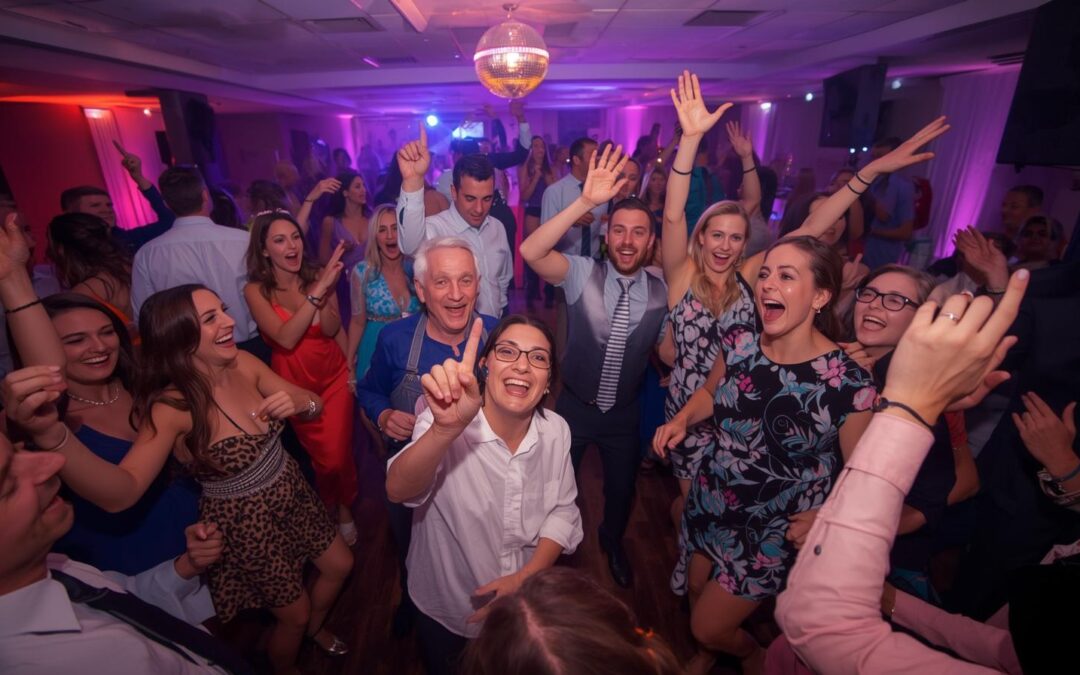
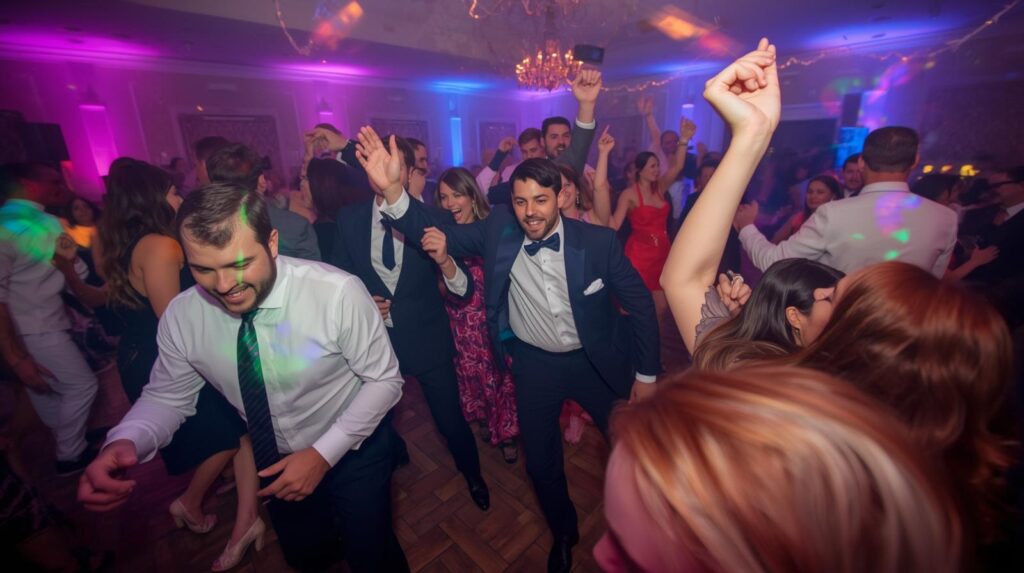
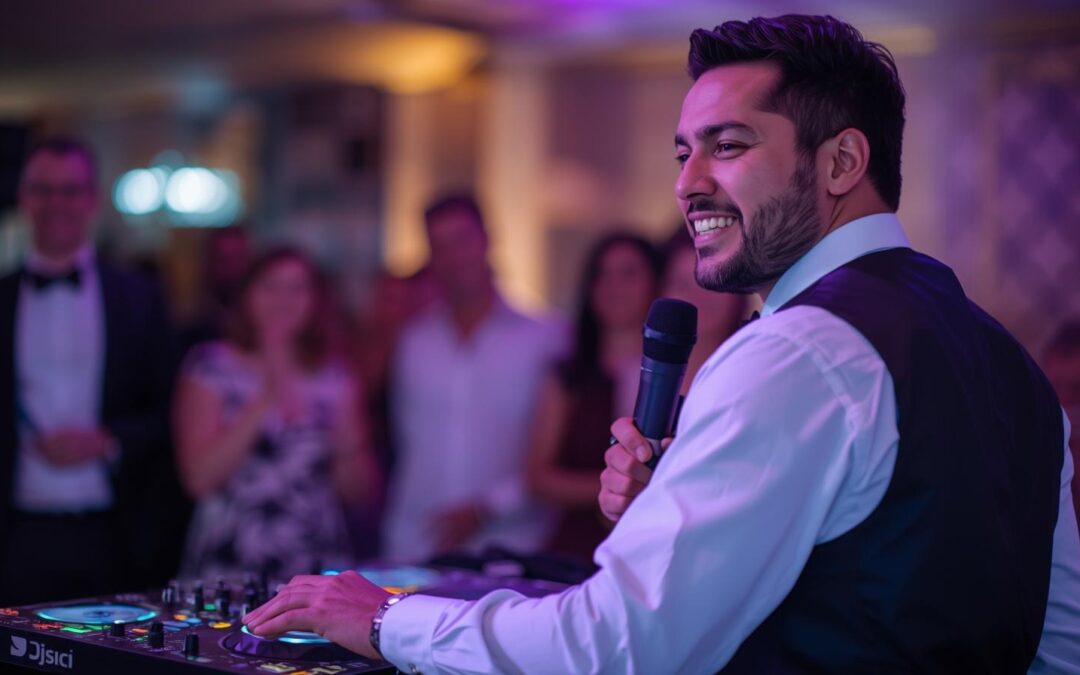
Every event has a story, and nothing tells that story better than the energy on the dance floor. For a wedding, corporate event, or private party, the goal of any skilled DJ and MC is to ensure the guests are not just present, but fully immersed in the music, the moment, and the celebration itself. An empty or stagnant dance floor can leave an event feeling flat, no matter how spectacular the venue or décor. The secret to an energetic dance floor all night long lies not in simply playing hit after hit but in understanding, reading, and responding to your audience in real time. From blending genres to crafting a journey through music, a DJ’s ability to keep the party alive is both an art and a science.
In this article, we’ll explore the key techniques for reading a crowd, the art of blending genres seamlessly, and the strategies for maintaining momentum from the first dance to the last song. By mastering these elements, DJs and event hosts can create an unforgettable night where guests leave smiling, dancing, and talking about the event for years to come.
1. Understanding the Crowd: The Foundation of a Lively Dance Floor
The first step to sustaining a vibrant dance floor is understanding your audience. Every crowd is unique, and even a group that seems homogenous may have a wide variety of musical tastes, energy levels, and comfort zones. Reading the crowd starts well before the first song plays.
1.1 Pre-Event Preparation
Knowing who will be attending is crucial. For weddings, consider the age range, cultural background, and preferred genres of music. For corporate events or private parties, understanding the group’s professional or social background can provide clues about their musical inclinations. This can be achieved by:
Consulting with the host or planner: Ask for playlists or examples of music they enjoy.
Surveying attendees: Some DJs use pre-event surveys to understand the music preferences of guests.
Studying past events: Reviewing photos or videos from similar events can provide insight into what styles got people moving.
Preparation allows a DJ to tailor the musical journey to the specific audience, increasing the chances of keeping the floor full.
1.2 Reading the Room
Once the event begins, reading the room becomes an ongoing process. Skilled DJs observe subtle cues:
Body language: Who is standing, who is talking, who is tapping their foot? Even small gestures can indicate readiness to dance.
Dance patterns: Certain songs may inspire small movements before guests feel comfortable breaking into full dance.
Group dynamics: Guests often mirror the energy of others. Encouraging a few key influencers to dance can trigger widespread participation.
Facial expressions: Smiles, laughter, and singing along are indicators of engagement.
A DJ must be both reactive and proactive, recognizing moments when the crowd is ready to elevate the energy, as well as moments when it’s better to bring the intensity down for a breather.
2. Crafting the Musical Journey: Blending Genres for Maximum Engagement
No one genre dominates all crowds. Some guests might love hip-hop, others prefer 80s pop, and still others are drawn to classic rock or electronic dance music. Blending genres thoughtfully can keep the energy alive while satisfying a diverse audience.
2.1 Strategic Song Selection
Selecting songs strategically is essential. This includes:
Opening sets: Start with familiar, moderately-paced songs that invite participation. Avoid tracks that are too slow or too obscure.
Energy building: Gradually increase tempo and intensity, layering beats and rhythms to guide guests from comfortable movement to full-on dancing.
Peak moments: Identify points in the event where energy should reach its maximum—often after dinner at weddings, or midway through corporate parties.
Cooldown periods: Not every song should be a high-energy track. Slower or mid-tempo songs give guests a chance to catch their breath while maintaining engagement.
The art lies in sequencing tracks so transitions feel natural, yet surprising enough to keep interest.
2.2 Seamless Genre Blending
Blending genres requires both technical skill and musical intuition. Techniques include:
Mashups and remixes: Incorporating elements of one genre into another can create a fresh sound while maintaining recognition. For example, a classic Motown hit remixed with a modern dance beat can excite multiple generations.
Key and tempo matching: Ensuring songs are in compatible keys and tempos prevents awkward transitions and keeps the flow smooth.
Live mixing techniques: Looping, beatmatching, and crossfading allow a DJ to weave disparate genres together without losing momentum.
A well-blended set can energize guests who might otherwise hesitate to dance, creating moments where different musical tastes converge on the floor.
3. Reading Energy Levels: When to Push and When to Pull
Maintaining energy isn’t just about playing fast songs. It’s about understanding pacing and timing. A DJ must balance peaks and valleys to avoid fatigue.
3.1 Building Momentum
Energy tends to increase naturally as more people join the dance floor. Techniques include:
Call-and-response moments: Encourage guests to sing along or respond to MC prompts. This can boost confidence and participation.
Familiarity cues: Drop well-known hits at strategic moments to bring guests to the floor. Recognition breeds engagement.
Layered intensity: Introduce songs with increasing energy in waves rather than all at once. For example, a mid-tempo 90s hit can be followed by a faster current pop track.
3.2 Strategic Breaks
Ironically, stepping back occasionally enhances overall energy. Breaks allow:
Guests to rest: Dancing is physically demanding, and small pauses prevent exhaustion.
Focused attention: Use slower or background music during dinner, speeches, or announcements.
Anticipation building: A well-timed pause before a high-energy song creates excitement and makes the drop feel impactful.
Mastering the rhythm of energy versus rest is a hallmark of professional DJs and MCs.
4. Engaging the Crowd: Beyond the Music
A DJ’s role often extends into MC territory. Engaging the crowd vocally and visually ensures that energy stays high.
4.1 Mic Skills and Announcements
Clear, confident announcements help coordinate events and keep energy flowing. Techniques include:
Welcoming guests: Set the tone with excitement and positivity.
Introducing key moments: Make transitions like the first dance, cake cutting, or bouquet toss feel dynamic.
Encouraging participation: Prompt the crowd to join in, whether for dancing or sing-alongs.
Avoid over-announcing, as too many interruptions can break the flow.
4.2 Reading Audience Reactions
MCs can guide the night by observing and responding to reactions:
Spotlight interactions: Recognize enthusiastic dancers, encouraging others to join.
Humor and relatability: Light jokes or commentary that connect with the audience enhance engagement.
Flexibility: If a planned moment doesn’t resonate, adjust quickly. For example, skip a mid-tempo song if the crowd is eager for faster beats.
The combination of music and verbal engagement creates a holistic experience, keeping the dance floor energized.
5. Leveraging Technology: Lighting, Effects, and Sound Design
The visual and auditory environment can significantly influence energy levels. Modern DJs integrate technology to amplify crowd participation.
5.1 Lighting Techniques
Lighting sets the mood and drives energy:
Dynamic color changes: Match lighting to the tempo and style of songs. Fast, bright lights for peaks, softer tones for slow moments.
Spotlighting key dancers or moments: Focus attention on performers or couples during special dances.
Interactive effects: Strobes, fog machines, and moving lights can create excitement and encourage participation.
5.2 Sound Optimization
Proper sound design ensures music resonates without overwhelming:
Balanced levels: Avoid overpowering bass that causes fatigue, but maintain enough punch to feel the beat.
Zone control: Adjusting volume in different areas allows guests to talk, mingle, or dance comfortably.
Wireless microphones and backups: Prevent interruptions that can kill momentum.
5.3 Multimedia Integration
Some events benefit from projection screens or music videos:
Visual cues for songs: Lyrics or videos can encourage sing-alongs.
Themed visuals: Matching content to an event theme enhances immersion.
6. Reading Trends Without Losing Classic Appeal
While staying current with music trends is important, timeless tracks often keep multiple generations on the dance floor.
Balance modern hits with classics: For weddings, blend contemporary pop with beloved hits from the 70s, 80s, or 90s.
Cultural inclusivity: Consider world music, regional favorites, or culturally significant songs.
Unexpected mashups: Surprise guests by combining old and new, keeping the atmosphere fresh.
Being aware of trends ensures relevancy while classics maintain broad appeal.
7. Advanced Crowd Control Techniques
Experienced DJs know subtle psychological methods to keep the floor active.
7.1 Staggered Entrances
Introduce songs that gradually bring people from the back of the room to the floor:
Solo invites: Encourage individual dancers to start, others follow naturally.
Group dances: Line dances or coordinated moves help less confident guests join.
7.2 Energy Peaks Timing
Plan the night’s schedule with energy peaks:
Early peak: After dinner or during signature events.
Mid-peak: Main dancing window, often mid-party.
Final peak: End-of-night anthem that leaves guests energized.
7.3 Social Proof
Guests follow cues from others:
Highlight enthusiastic dancers: Their energy is contagious.
MC shout-outs: Praise participants or suggest fun moves, encouraging broader participation.
8. Troubleshooting Common Dance Floor Challenges
Even with careful planning, every event faces challenges:
Empty dance floor early: Play widely recognized hits, reduce tempo, or involve the MC to invite guests.
Genre clash: Use mashups or smooth transitions to bridge styles.
Crowd fatigue: Insert slower, interactive songs or take short breaks to recharge energy.
Technical issues: Always have backups for sound, lighting, and playlist access.
Preparation and adaptability distinguish great DJs from average ones.
9. Maintaining Momentum Until the Last Song
The final song leaves a lasting impression. To maintain energy:
Build a crescendo: Lead into the finale with rising tempo and anticipation.
Signature anthem: Pick a universally recognized track or a song with high emotional impact.
MC cue: Encourage all guests to join, creating a collective celebratory moment.
Gradual cool-down: Avoid abrupt endings; transition smoothly to slower or closing music for a satisfying conclusion.
A strong finish ensures guests leave happy and energized, reflecting positively on the entire event.
10. Final Thoughts: The Art of Sustained Energy
Creating an energetic dance floor all night long is a complex skill that combines musical knowledge, psychological insight, technical ability, and emotional intelligence. DJs who excel:
Prepare thoroughly before the event.
Read the room continuously, adjusting to the audience’s mood.
Blend genres creatively to keep everyone engaged.
Control energy levels through pacing, breaks, and interactive cues.
Integrate technology to enhance the auditory and visual experience.
Balance current hits with timeless classics to appeal to all guests.
Adapt to unexpected changes with confidence and flexibility.
By mastering these techniques, a DJ transforms a simple gathering into an unforgettable celebration. Guests leave not just with memories of the music, but with the feeling of having been part of a night that was alive from start to finish.
The secret is not just about playing songs; it’s about guiding an experience, curating moments, and inspiring people to connect, celebrate, and dance like there’s no tomorrow. An energetic dance floor isn’t just a goal—it’s the outcome of careful planning, sharp observation, and the intuitive skill of a DJ who knows exactly how to keep the party alive until the very last song.
Known for his professionalism and a deep passion for music, he crafts unforgettable experiences through personalized playlists and seamless event coordination. Whether it’s your ceremony, reception, or the after-party, DJ iSizzle brings unmatched energy and expertise to make your wedding unforgettable.
As a wedding DJ, I get the ultimate backstage pass into the world of love, celebration, and music. Over the years, I’ve spun at countless weddings across Seattle and beyond, and let me tell you, there’s nothing quite like watching a couple’s favorite songs light up the dance floor. Every year, I notice trends, recurring requests, and those magical songs that get everyone—from the grandparents to the college friends—on their feet.
So, for all the brides, grooms, and wedding enthusiasts out there, I’m sharing my insider perspective on the top wedding song requests of the year. From high-energy bangers to slow jams that make you swoon, this list is a snapshot of what couples are loving in 2025. Whether you’re planning your wedding playlist or just love a good music deep dive, consider this your ultimate guide.
1. The All-Time First Dance Favorites
Nothing sets the tone for the night quite like the first dance. Couples want songs that resonate with their love story, and while classic choices never die, each year I notice some new entries that really hit the sweet spot.
Timeless Classics That Never Fade
Even in 2025, some timeless first dance songs are still flying off my playlists. These tracks are tried-and-true, romantic, and often evoke a nostalgic, tear-worthy moment:
“At Last” – Etta James This one is basically the gold standard. There’s something about that opening line that makes everyone reach for a tissue.
“Can’t Help Falling in Love” – Elvis Presley A slow, swaying melody that works beautifully whether you have a ballroom or backyard wedding.
“Thinking Out Loud” – Ed Sheeran Modern, heartfelt, and surprisingly versatile—it pairs well with both intimate and grand venues.
New Entrants on the First Dance Radar
This year, I noticed couples branching out a bit more, blending contemporary hits with old-school romance:
“Adore You” – Harry Styles Sweet, catchy, and a little playful. Perfect for couples who love a modern vibe without being over the top.
“10,000 Hours” – Dan + Shay & Justin Bieber Country-pop crossover magic. It’s become a favorite for couples wanting heartfelt lyrics and a soft groove.
“Die For You” – The Weeknd R&B vibes with deep, romantic lyrics. Ideal for a sleek, stylish wedding.
Insider Tip: Some couples even remix these first dance songs with live instruments or acoustic versions. A little personalization goes a long way.
2. Parent Dances: Tears, Laughter, and Everything In Between
Parent dances—whether father-daughter, mother-son, or parent-celebrating-anyone—tend to be emotional highlights. This year, requests have been trending toward meaningful lyrics that feel intimate without dragging the dance floor down.
Popular Father-Daughter Choices
“My Girl” – The Temptations A classic that feels joyful and lighthearted, perfect for a playful twirl.
“Butterfly Kisses” – Bob Carlisle Emotional, sweet, and iconic. This song continues to bring tears to dads’ eyes.
“I Loved Her First” – Heartland A country favorite that resonates deeply for many families.
Mother-Son Hits
“A Song for Mama” – Boyz II Men Soulful, touching, and guaranteed to create a memorable moment.
“The Perfect Fan” – Backstreet Boys A nostalgic nod for moms and sons who grew up together.
“Forever Young” – Rod Stewart A sentimental classic that works beautifully across generations.
Insider Tip: Couples are increasingly choosing unique parent dance songs that reflect shared memories, like favorite movie soundtracks or childhood hits. It’s all about personalization!
3. Dance Floor Bangers: Songs That Make Everyone Move
Let’s get to the fun part—dance floor anthems. Every wedding has them: those songs that make you want to scream the lyrics, pull someone in for a spin, or just dance like nobody’s watching. Based on my experience this year, here are the hottest tracks that have couples begging to hear.
Pop Hits That Never Disappoint
“Levitating” – Dua Lipa Funky, upbeat, and perfect for all ages. Couples love this for a group dance moment.
“As It Was” – Harry Styles Contemporary pop with a groovy feel. Guests love singing along while dancing.
“About Damn Time” – Lizzo High energy, confidence-boosting, and utterly infectious.
Hip Hop & R&B Vibes
“Juice” – Lizzo Another Lizzo hit that dominates wedding dance floors, often paired with choreographed moves.
“Blinding Lights” – The Weeknd Synth-heavy, energetic, and nostalgic ’80s vibes that get everyone moving.
“Old Town Road” – Lil Nas X Surprisingly versatile for dance floors; great for a crowd that loves a playful mix.
Classic Crowd-Pleasers
Some songs are just universal. They span decades and styles, but when they hit the speakers, you’ll see your entire guest list on their feet:
“Shout” – Isley Brothers A wedding staple for decades. Perfect for interactive dance moments.
“Uptown Funk” – Mark Ronson ft. Bruno Mars Funky, fresh, and keeps energy levels high.
Insider Tip: I often recommend DJs keep a few “floor fillers” ready that are slightly unexpected—maybe a throwback niche song that’s trending on TikTok. The surprise factor gets guests excited.
4. Slow Dances and Romantic Vibes
Not every wedding moment is about high energy. Slow dances give couples and their guests a chance to connect, hug, and sway. Here’s what’s trending in the slow jam category this year:
“All of Me” – John Legend A modern classic. Couples choose this song for its heartfelt lyrics and gentle rhythm.
“Perfect” – Ed Sheeran Frequently requested for both first dances and general slow dancing throughout the evening.
“Say You Won’t Let Go” – James Arthur Romantic, contemporary, and meaningful. I’ve seen this one bring a few tears to the dance floor.
“Better Together” – Jack Johnson Sweet, acoustic vibe. Great for a backyard or casual wedding setting.
Insider Tip: Mixing in slower songs between dance floor bangers keeps energy balanced and gives guests a chance to breathe and reconnect with the music emotionally.
5. Ceremony Soundtrack Hits
While the reception gets most of the spotlight, don’t forget about ceremony music. Couples are increasingly choosing songs outside the traditional classical canon to make the moment unique.
“Canon in D” – Pachelbel Still a favorite for processional or prelude music.
“A Thousand Years” – Christina Perri Modern, heartfelt, and perfect for walking down the aisle.
“Here Comes the Sun” – The Beatles Light, cheerful, and uplifting—a great option for daytime weddings.
“Somewhere Over the Rainbow” – Israel Kamakawiwo’ole Calm, breezy, and unexpectedly emotional.
Insider Tip: Some couples love instrumental covers of popular songs for the ceremony. It keeps it familiar but not overpowering for a formal moment.
6. Bouquet and Garter Songs: Fun and Flirty
Garter and bouquet tosses are optional, but when they happen, couples want memorable, fun songs that match the cheeky vibe.
Favorites: Bouquet Toss
“Single Ladies (Put a Ring on It)” – Beyoncé Always a hit, especially with a crowd ready to jump in.
“Girls Just Want to Have Fun” – Cyndi Lauper Energetic, playful, and perfect for mixed-age groups.
“Wannabe” – Spice Girls Nostalgia is strong! Guests love the throwback energy.
Garter Toss Hits
“SexyBack” – Justin Timberlake Sultry, upbeat, and instantly recognizable.
“You Sexy Thing” – Hot Chocolate Classic and playful; works well with any crowd.
“Pony” – Ginuwine Bold, flirty, and definitely gets attention.
Insider Tip: Timing and song choice matter here. A good DJ builds anticipation, plays the right volume, and ensures everyone’s focused on the moment.
7. Late-Night Dance Floor Favorites
By the end of the night, energy is high, guests are warmed up, and the late-night dance floor often becomes the highlight of the evening. Here are the songs that keep people moving until the very last minute:
“Don’t Stop Me Now” – Queen Fun, unstoppable, and classic for an all-out finale.
“Shut Up and Dance” – Walk the Moon Energetic, fun, and perfectly singable for groups.
“Yeah!” – Usher ft. Lil Jon & Ludacris Hip hop energy that makes the floor go wild.
“Dance Monkey” – Tones and I Surprisingly fun in a group setting, especially with younger guests.
Insider Tip: DJs often save one or two epic crowd-pleasers for last-minute dancing. It’s a magical way to end the night on a high.
8. Emerging Trends: Personalization and Unique Requests
While some songs dominate charts and trends, the biggest shift I see in 2025 is personalization. Couples are getting creative:
TikTok-Inspired Tracks: Viral hits make their way to weddings surprisingly quickly. Songs like “Cupid’s Chokehold” or “About Damn Time” appear in short, punchy moments.
Cultural & Multicultural Mixes: Many couples now blend Latin, Bollywood, K-pop, and regional music with mainstream hits. It makes the wedding feel unique and inclusive.
Mashups & Remixes: DJs are combining older classics with modern hits, creating unique versions for the couple. Example: “Billie Jean” blended with “Uptown Funk” for a jaw-dropping moment.
Insider Tip: As a DJ, I always ask couples about “must-play” songs and “do-not-play” songs. This ensures every playlist feels tailored, keeping everyone happy.
9. Why Song Choice Matters More Than You Think
It’s easy to think the DJ just plays music—but your playlist shapes the entire wedding experience. The right songs can:
Energize the crowd at the perfect moment (dance floor bangers)
Give your guests a sense of shared joy (group sing-alongs)
Make your wedding truly personal (cultural or niche requests)
Insider Tip: If you’re working with a DJ, be open about your vision. They are musical guides who can recommend songs, set the pace, and even surprise you with ideas you didn’t consider.
10. DJ iSizzle’s Top Wedding Requests of 2025 — The Ultimate List
Here’s a quick roundup of the most requested songs I’ve played this year, categorized for easy reference:
First Dance
“At Last” – Etta James
“Can’t Help Falling in Love” – Elvis Presley
“10,000 Hours” – Dan + Shay & Justin Bieber
“Die For You” – The Weeknd
Parent Dances
“My Girl” – The Temptations
“Butterfly Kisses” – Bob Carlisle
“A Song for Mama” – Boyz II Men
Dance Floor Bangers
“Levitating” – Dua Lipa
“As It Was” – Harry Styles
“Juice” – Lizzo
“Uptown Funk” – Mark Ronson ft. Bruno Mars
Slow Jams
“All of Me” – John Legend
“Perfect” – Ed Sheeran
“Say You Won’t Let Go” – James Arthur
Bouquet / Garter Toss
“Single Ladies” – Beyoncé
“Girls Just Want to Have Fun” – Cyndi Lauper
“SexyBack” – Justin Timberlake
Late-Night Crowd Favorites
“Don’t Stop Me Now” – Queen
“Shut Up and Dance” – Walk the Moon
“Yeah!” – Usher ft. Lil Jon & Ludacris
Insider Tip: Keep a mix of genres, decades, and tempos. You’ll satisfy everyone and ensure your wedding has an unforgettable soundtrack.
11. Final Thoughts: Make Your Wedding Playlist Yours
Weddings are all about celebration, connection, and joy. Music is the glue that binds the moments together. Whether it’s a tearful first dance, a wild dance floor moment, or a cheeky bouquet toss, your song choices matter.
Remember: there’s no right or wrong playlist. Mix in your personal favorites, your partner’s go-to songs, and some surprises. And if you’re hiring a professional DJ like me, let us guide you with our insider knowledge. After all, we know what gets people on the dance floor, singing at the top of their lungs, and making memories that last a lifetime.
So, go ahead: create your wedding soundtrack, have fun with it, and remember—your playlist is as unique as your love story. And who knows? Maybe one of these hits will become the next “classic first dance” for a future generation of couples.
Known for his professionalism and a deep passion for music, he crafts unforgettable experiences through personalized playlists and seamless event coordination. Whether it’s your ceremony, reception, or the after-party, DJ iSizzle brings unmatched energy and expertise to make your wedding unforgettable.
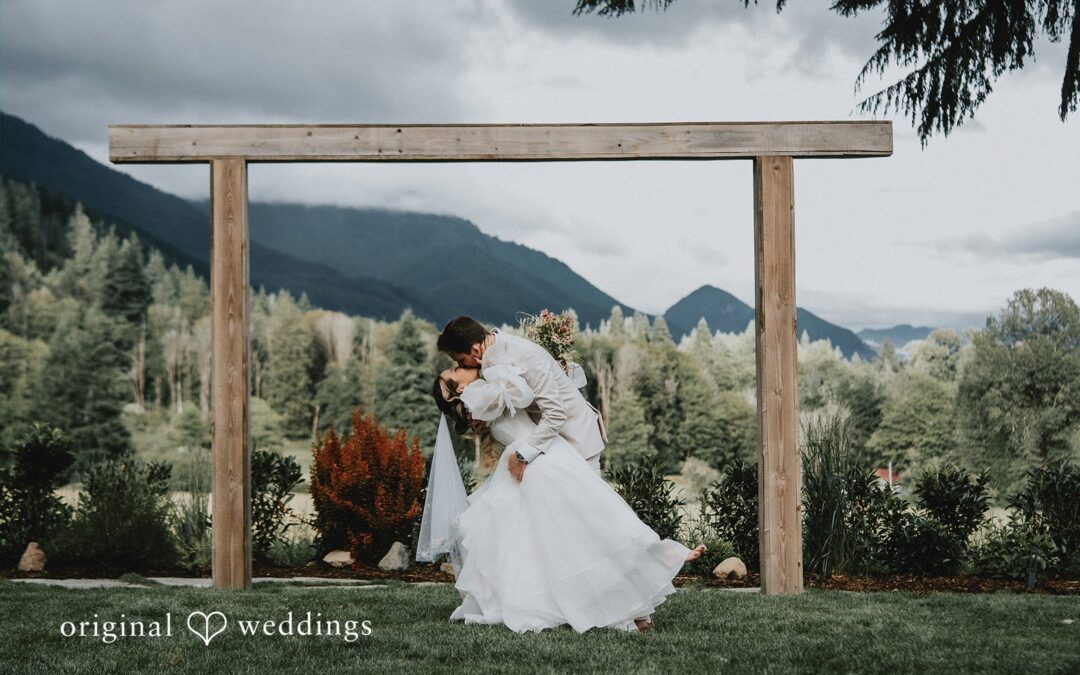
We’re so grateful that we had the opportunity to work alongside the incredible team at Original Weddings for Ben & Erin’s beautiful wedding at Paradise Village. It was such a joy partnering together to help make their celebration unforgettable, and now we get to relive so many of those special moments through their amazing photography!
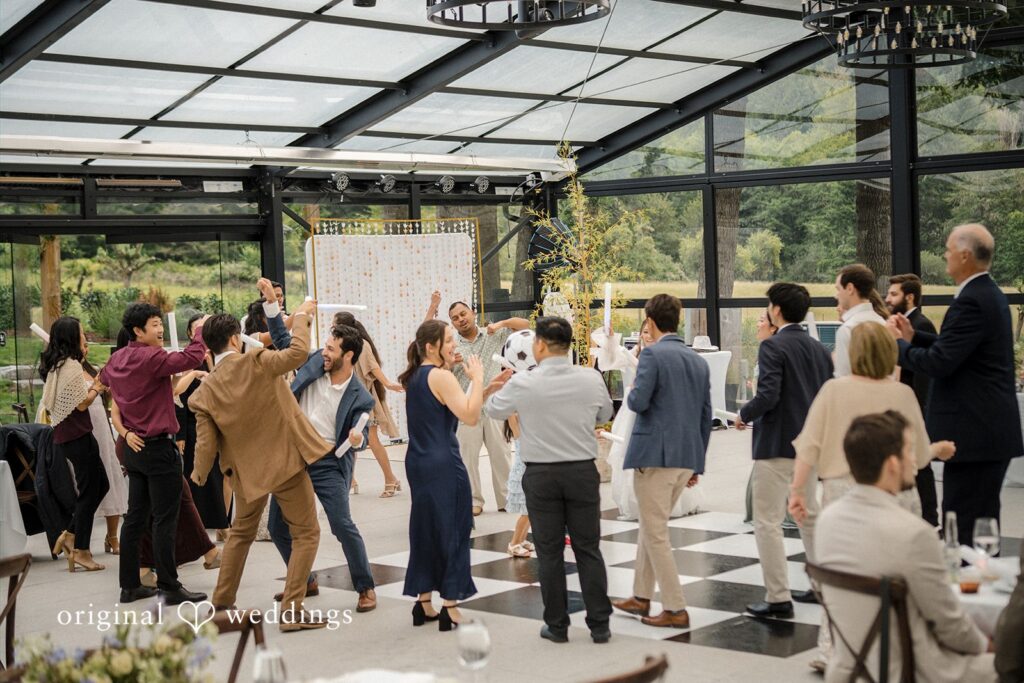
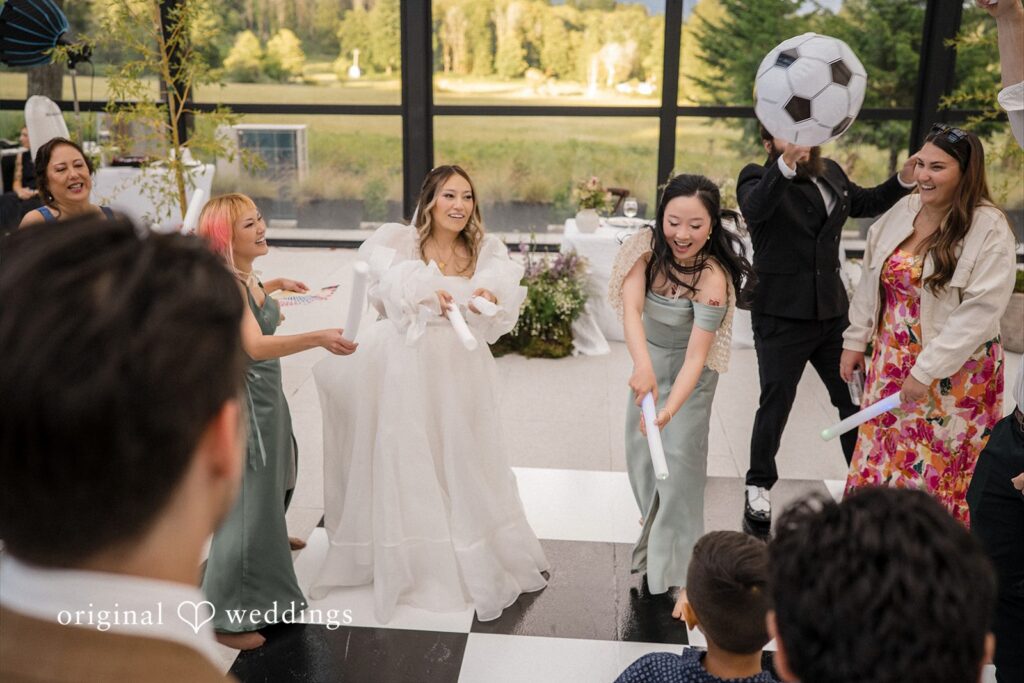
From the heartfelt ceremony and emotional moments between family and friends to the laughter, smiles, and unforgettable memories throughout the reception, Original Weddings did an incredible job capturing the energy and emotion of the day. Every photo tells a story, and we’re especially loving the dance floor photos! You can truly feel the excitement, energy, and fun jumping right off the page.
As a wedding DJ and MC, one of my favorite parts of the job is creating those moments on the dance floor—and seeing them beautifully captured by talented photographers makes it even more special. These photos are a wonderful reminder of just how much fun everyone had celebrating Ben & Erin!
A huge thank you to Original Weddings, their award-winning wedding photography and videography team, for capturing these memories so beautifully and for being such a fantastic team to work alongside.
Known for his professionalism and a deep passion for music, he crafts unforgettable experiences through personalized playlists and seamless event coordination. Whether it’s your ceremony, reception, or the after-party, DJ iSizzle brings unmatched energy and expertise to make your wedding unforgettable.
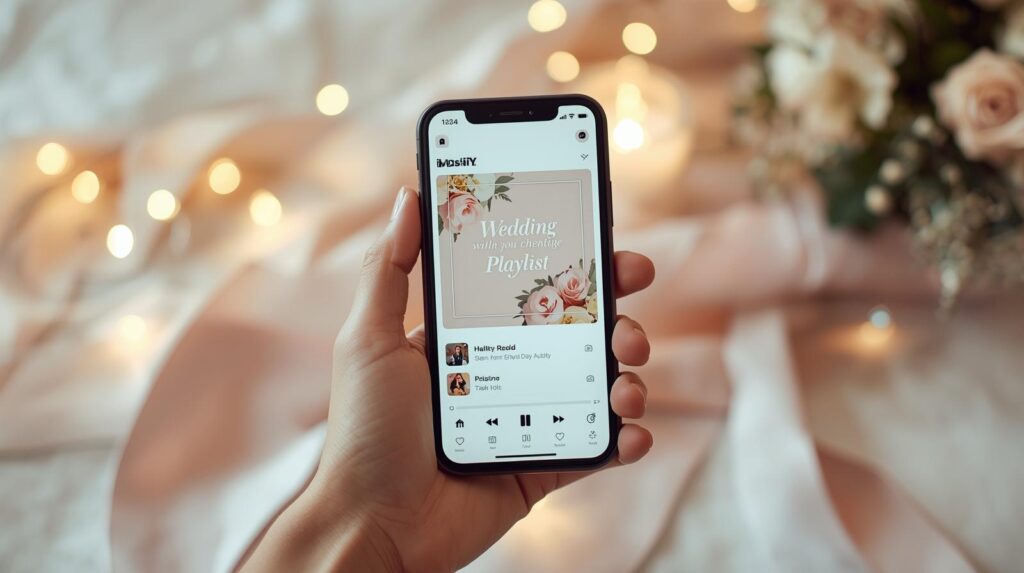
Your wedding day is one of the most personal milestones in life, and every detail—from the flowers to the venue, the dress to the décor—should reflect your style and personality. Music is no exception. A wedding playlist does more than fill silence; it sets the tone, shapes the emotional landscape, and ensures your guests are fully immersed in the celebration. But building a playlist that balances personal taste, guest preferences, cultural traditions, and trending hits can feel overwhelming. How do you include your must-play songs without making your playlist feel overstuffed? How do you avoid playing tunes that might cause awkward moments while still keeping the energy alive?
The key lies in curation with clarity—creating a playlist that reflects you and your partner, respects your guests, and keeps your wedding flowing naturally. This guide provides strategies for personalizing your wedding playlist while avoiding overcomplication.
1. Start With Your Must-Play and Do-Not-Play Lists
1.1 Must-Play Songs
Every couple has songs that are essential to their story. Perhaps it’s the first song you danced to, a favorite artist, or a track that captures your personalities. Start by creating a “must-play” list:
Ceremony essentials: Processional, recessional, and any special moments.
Reception highlights: First dance, parent dances, and cake cutting.
Dance floor favorites: Songs that you and your partner love, or tracks that will get your friends and family moving.
Tips:
Limit must-plays to a manageable number (10–20 songs) to avoid making your playlist rigid.
Rank them in priority order. If time is limited, the DJ or band will know which songs are essential.
1.2 Do-Not-Play Songs
Just as important as must-plays are the songs you’d rather avoid. Maybe there’s a tune that brings up unwanted memories, has lyrics that clash with your vibe, or simply doesn’t fit the theme.
Tips:
Keep the list short and clear. Instead of listing dozens of songs, focus on those that are deal-breakers.
Communicate clearly with your DJ or band so there are no accidental inclusions.
2. Incorporating Cultural and Family Traditions
Many couples want to honor their cultural heritage or family traditions through music. Doing so adds richness and meaning but can also complicate your playlist if not approached thoughtfully.
2.1 Identify Key Cultural Elements
Ceremonial music: Certain rituals or rites may require specific music. For example, a traditional Jewish wedding might include the Hava Nagila or Siman Tov for dancing.
Cultural dances: If your family loves folk dances, you can schedule them strategically in your timeline.
2.2 Integrate Without Overwhelming
Place cultural songs at moments that feel natural: cocktail hour, family dances, or designated cultural segments of the reception.
Ask your DJ to seamlessly mix these songs with other tracks to maintain energy and flow.
Tip: Balance is key. Too many traditional songs back-to-back can alienate guests unfamiliar with them. Scattering them throughout the night keeps your playlist dynamic and inclusive.
3. Including Trending Hits Without Feeling Forced
Trending songs keep your wedding feeling current and lively, but overloading your playlist with hits can make it feel generic. The goal is to blend contemporary tracks with your personal taste.
3.1 Identify Appropriate Hits
Choose songs that resonate with your crowd’s age range and vibe.
Focus on tracks that encourage dancing rather than just chart-toppers that may not fit the mood.
3.2 Use Trends Sparingly
Mix trending songs with timeless classics. For example, a 2025 pop hit could follow a beloved 90s dance song.
Create moments where the trend shines—like the last dance or mid-evening peak dancing—to avoid exhausting your guests with only new tracks.
4. Building a Flowing Playlist
A great wedding playlist isn’t just a collection of songs; it tells a story and mirrors the pacing of the day.
4.1 Divide the Night Into Sections
Pre-ceremony / Cocktail Hour: Light, ambient music; set the tone.
Ceremony: Emotional and meaningful; minimal dancing.
Reception / Dancing: Peak energy; a mix of must-plays, trending hits, and crowd-pleasers.
Late-night / Send-off: Fun, energetic, or sentimental songs to close the night.
4.2 Consider Transitions
Smooth transitions prevent energy dips. A DJ or live band can mix songs to maintain momentum.
Avoid abrupt genre shifts unless that’s part of your style. For example, moving from classical wedding music directly into heavy metal could feel jarring.
5. Balancing Your Musical Style With Guest Preferences
While your playlist should reflect your personality, remember your guests are part of the celebration too.
5.1 Know Your Audience
Consider the demographics of your guests: age, cultural background, and musical tastes.
Include a few universally loved tracks (classic hits, iconic dance tunes) to encourage everyone to join in.
5.2 Crowd Participation
Identify songs that create group moments: line dances, sing-alongs, or interactive games.
If a song is a favorite among your peers but might confuse other guests, place it strategically or provide a brief intro through the MC.
6. Keep It Simple With a Core Playlist
Many couples get overwhelmed by the desire to include every favorite track. The solution is a core playlist plus flexibility.
6.1 Core Playlist
Your must-play songs
Do-not-play exclusions
Cultural or traditional highlights
Key trending tracks
This becomes the foundation that the DJ or band can build around.
6.2 Allow Room for Flexibility
Let your DJ read the room and adjust songs based on energy.
Trust your professional entertainer to blend your playlist with other complementary tracks that keep the vibe alive.
7. Organizing Your Playlist
Good organization reduces stress and ensures no detail is overlooked.
Special dances: First dance, parent dances, anniversary recognition
7.2 Rank Priority
Highlight songs that are non-negotiable.
Allow secondary songs to be optional, giving the DJ discretion.
7.3 Include Notes
For each song, include notes like “play only if crowd is energetic” or “avoid lyrics with explicit content.”
Use this to communicate expectations without micromanaging the playlist.
8. Tools and Resources to Simplify Playlist Building
You don’t need to rely solely on memory or manual lists. Many tools can make the process easier:
Streaming platforms: Spotify, Apple Music, and YouTube allow playlist sharing and collaborative input.
Wedding websites: Some services (like The Knot or WeddingWire) provide music suggestion templates.
DJ collaboration tools: Many DJs provide online forms to capture must-play/do-not-play songs, styles, and special requests.
9. Avoiding Common Playlist Pitfalls
Even with careful planning, couples can run into challenges. Here’s how to avoid them:
9.1 Overloading the Playlist
Too many songs can overwhelm the DJ and create a disjointed flow. Stick to 60–80 carefully chosen tracks for a 4–5 hour reception.
9.2 Neglecting Flow
Randomly placing songs without considering pacing leads to energy dips.
Group similar tempos or vibes together to create a natural progression.
9.3 Ignoring Special Moments
Focusing solely on dancing can overshadow emotional moments.
Schedule specific songs for ceremonies, dances, or toasts.
10. Communicating Clearly With Your DJ or MC
The success of your playlist depends largely on communication.
10.1 Provide Your Playlist in Advance
Give the DJ a finalized or nearly finalized list at least a few weeks before the wedding.
10.2 Discuss Flexibility
Make it clear which songs are must-play and which are flexible.
Trust the DJ to read the crowd and make live adjustments.
10.3 Share Your Wedding Vision
Communicate the overall vibe: romantic, energetic, whimsical, nostalgic, or a mix.
Explain any cultural or family nuances that need special attention.
11. Creative Ways to Personalize Your Playlist
Personal touches make your playlist memorable:
Couple’s Story Songs: Songs that capture milestones in your relationship.
Family Favorites: Include songs your parents or grandparents love for dance floor inclusivity.
Interactive Moments: Encourage guests to submit requests ahead of time or dedicate songs.
Theme Integration: Tie music to your wedding theme, e.g., vintage jazz for a 1920s-inspired celebration.
12. Example of a Well-Balanced Wedding Playlist
Here’s a sample structure for a 4-hour reception:
Cocktail Hour (45 min)
Smooth jazz, acoustic versions of pop hits, light indie tracks
Dinner (45 min)
Soft background music, slow pop classics, instrumental covers
First Dance & Parent Dances (30 min)
Must-play romantic songs; no competing tracks
Dance Party (90 min)
Mix trending hits, classics, and family favorites
Intermix cultural/traditional dances
Late Night / Send-Off (30 min)
High-energy crowd-pleasers or nostalgic hits
A few sentimental tracks to close the night
13. Tips for Finalizing Your Playlist
Start early: Begin 3–6 months before the wedding.
Get input from your partner: Ensure the playlist reflects both of your tastes.
Consider the venue: Outdoor vs. indoor venues may influence music style and volume.
Test flow: Listen to your playlist in order to see how songs transition.
Leave room for surprises: Trust the DJ to sprinkle in songs you may not have thought of.
14. Conclusion
Personalizing your wedding playlist doesn’t have to be stressful or overcomplicated. By clearly identifying must-play and do-not-play songs, honoring cultural traditions, carefully weaving in trending hits, and trusting your DJ to read the room, you can craft a playlist that truly reflects your style while keeping the celebration flowing seamlessly.
Remember: your wedding music should tell your story, engage your guests, and create memories that last long after the last song fades. By combining thoughtful planning with professional guidance, your playlist becomes more than just background music—it becomes the soundtrack of your love story.
Known for his professionalism and a deep passion for music, he crafts unforgettable experiences through personalized playlists and seamless event coordination. Whether it’s your ceremony, reception, or the after-party, DJ iSizzle brings unmatched energy and expertise to make your wedding unforgettable.
When planning a wedding, one of the most overlooked but crucial roles is that of the DJ and Master of Ceremonies (MC). While guests often focus on the music, the energy on the dance floor, or the visual beauty of the venue, the DJ + MC is quietly orchestrating the event from behind the scenes. The job is not merely spinning tracks but also guiding the night with carefully timed announcements, smooth transitions, and a deep understanding of the flow. A skilled MC keeps the event running seamlessly, often without guests realizing the intricate work happening in the background. In this article, we’ll dive deep into the MC role, explore how announcements are crafted, and explain the subtle techniques DJs use to maintain perfect timing and flow.
Understanding the MC Role
The term “MC” stands for Master of Ceremonies, and at weddings and other events, this role is far more than just talking into a microphone. An MC is essentially the glue that holds the event together. They act as a bridge between the schedule, the guests, and the entertainment, ensuring that the timeline runs smoothly. While a wedding planner or coordinator may organize the logistical side of the day, the MC interprets that plan in real-time, adapting to unexpected changes without disrupting the flow.
The MC’s responsibilities include:
Announcing Key Moments The MC introduces important parts of the evening, such as the grand entrance, first dances, toasts, cake cutting, and bouquet toss. These announcements need to feel natural and exciting, capturing the attention of the audience without drawing undue focus away from the moment itself.
Maintaining Event Energy A skilled MC reads the room, knowing when to hype the crowd, create anticipation, or gently guide attention back to the timeline. They balance energy levels to ensure guests remain engaged from the cocktail hour through the last dance.
Coordinating with Vendors and Staff Behind the scenes, the MC communicates with caterers, photographers, videographers, and venue staff to make sure transitions occur without friction. For instance, the MC might time the announcement for a toast with when the photographer is ready to capture reactions.
Handling Unplanned Moments Weddings rarely go perfectly according to plan. A strong MC keeps the show running smoothly, whether it’s adjusting timing for delayed guests, rearranging the order of announcements, or tactfully managing unexpected interruptions.
Essentially, the MC’s role is to orchestrate the invisible flow of the event, allowing guests to enjoy the celebration while keeping every scheduled moment on track.
Crafting Seamless Announcements
Effective announcements are more than simply reading from a script. They are carefully constructed to enhance the event while feeling spontaneous and engaging. DJs and MCs spend time preparing their announcements to fit the personalities of the couple and the tone of the wedding.
1. Know the Audience
Understanding the guests is key. The MC tailors their tone, language, and style to the crowd. For a formal wedding, announcements may be elegant and understated, while a casual, upbeat wedding may feature playful humor and high energy. Reading the room is vital — a joke or enthusiastic introduction can energize a group of younger guests but may feel out of place for a more mature audience.
2. Timing Is Everything
Announcing a moment at precisely the right time is a skill that requires practice and intuition. For example:
Grand Entrance: Announcing the bridal party and newlyweds requires perfect coordination with lighting, music, and the photographer. A well-timed entrance builds anticipation and maximizes excitement.
Toasts: The MC ensures that toasts happen when all guests are seated, drinks are ready, and cameras are in place. Interrupting a toast or beginning it too early can break the momentum.
Dinner Announcements: Guests often arrive at the table at different times, so announcing when food is served, or directing them to buffet stations, must be smooth and unobtrusive.
An MC may rehearse the timeline beforehand but also remains flexible to account for delays or changes, using subtle cues to adjust without drawing attention.
3. Word Choice and Delivery
The language used in announcements matters. Words should be clear, concise, and positive. The MC often employs transitional phrases that connect moments naturally:
“As we gather for the first dance, let’s welcome [couple’s names] to the floor.”
“Please raise your glasses as we toast the happy couple.”
“The cake is ready to be cut, and our photographer will capture every sweet moment.”
Tone, pacing, and projection are also critical. A calm, confident delivery makes announcements feel effortless, while awkward pauses or rushing can disrupt the event flow. Experienced DJs often practice mic techniques to control volume, tone, and clarity.
The Art of Reading the Room
A DJ + MC must be attuned to the energy of the guests. Reading the room involves:
Observing Reactions: Are guests laughing, chatting, or distracted? The MC may adjust announcements or music to re-engage attention.
Adapting to Pace: Some weddings may move quickly, while others may require a slower pace to accommodate speeches or delayed food service.
Nonverbal Cues: Guests’ body language informs the MC when to speed up transitions or extend moments. A well-timed pause can create suspense before a major announcement, while a quick segue can maintain momentum if energy dips.
This skill comes with experience, as even small adjustments can significantly impact the overall flow of the evening.
Behind the Scenes: Coordination and Timing
While guests enjoy the event on the surface, the MC is working meticulously behind the scenes. This often involves invisible communication and multitasking:
Cueing Music: Coordinating with the DJ aspect to ensure songs start and stop at the right moment, especially for dances, entrances, or processional music.
Liaising with Vendors: Ensuring the photographer, videographer, caterer, and other vendors are aligned with the timeline.
Checking the Room: Monitoring guests’ locations, table arrangements, and readiness for announcements.
Adapting on the Fly: If a speech runs long, or guests arrive late, the MC adjusts the sequence subtly so that nothing feels rushed or disorganized.
These tasks require preparation, focus, and experience, but when done correctly, the audience remains unaware of the work behind the mic.
Examples of MC Announcements
Here are some common examples of announcements made by DJs + MCs, showing the balance between clarity and entertainment:
Grand Entrance “Ladies and gentlemen, it’s time to welcome the newlyweds! Please give a big round of applause for Mr. and Mrs. [Last Name]!”
First Dance “The moment you’ve all been waiting for — the first dance of our happy couple. Let’s give them our attention as they share this special moment.”
Toasts / Speeches “We’d like to invite [Name] to the mic for a few words about our beautiful couple. Let’s show our appreciation with a round of applause!”
Dinner Service “Dinner is served! Please enjoy the delicious meal prepared by [caterer]. After dinner, we’ll have more special moments to celebrate.”
Cake Cutting “It’s time for a sweet tradition — the cutting of the cake! Let’s gather around and capture this memorable moment.”
Bouquet / Garter Toss “Single ladies, gather on the dance floor! It’s time for the bouquet toss — may the next bride-to-be catch it!”
Last Dance “As our night comes to a close, let’s share one final dance with the newlyweds. Thank you all for celebrating this special day!”
DJ + MC: Dual Responsibilities
Many modern wedding DJs also serve as the MC, combining musical expertise with event guidance. This dual role allows for perfect synchronization between music and announcements. Consider:
Music Transitions: The DJ can fade in or out songs to match the announcement’s timing, ensuring a seamless experience.
Pacing the Event: DJs with MC skills know when to extend or shorten songs based on announcements or delays.
Crowd Engagement: Music and announcements work together to maintain energy. A DJ + MC can read the crowd and cue songs that match the room’s vibe, punctuating announcements with musical cues.
This integration reduces errors and ensures that the timeline flows naturally.
Planning and Preparation
The seamless execution of announcements begins long before the event. Professional DJs + MCs follow a structured planning process:
Consultation with the Couple Discussing personalities, preferences, and specific requests ensures that announcements reflect the couple’s style.
Creating a Timeline Drafting a minute-by-minute or hour-by-hour outline of key events, songs, and announcements.
Prewriting Announcements While flexibility is crucial, having prewritten announcements saves time and reduces stress during the event.
Rehearsal and Coordination Coordinating with other vendors, testing audio equipment, and ensuring all cues are understood.
Preparation allows the MC to focus on delivering announcements with confidence, leaving room for improvisation if needed.
Tips for Couples Hiring a DJ + MC
Ask About MC Experience: Some DJs focus mainly on music, while others excel in MC duties. Make sure your DJ can also MC if needed.
Request Sample Announcements: Hearing examples helps assess their tone, energy, and style.
Discuss Timeline in Detail: The more the MC knows in advance, the smoother the event. Include exact ceremony times, reception start, dinner, speeches, dances, and send-off.
Plan for Flexibility: Even with a solid timeline, events can shift. A great MC will adjust without guests noticing.
The Invisible Work
It’s easy for guests to assume that everything is perfectly planned without realizing the MC’s effort. Some of the invisible work includes:
Monitoring cues from the room
Adjusting volume and microphone levels
Watching for timing overlaps
Managing guest flow between spaces
Handling last-minute changes or surprises
By executing these tasks seamlessly, the MC ensures the event appears effortless and enjoyable, making the day unforgettable for everyone involved.
Conclusion
The role of the DJ + MC is essential in creating a wedding or event that feels smooth, engaging, and well-organized. Behind every seamless announcement, every perfectly timed dance, and every lively toast, there is a professional carefully orchestrating the night. The MC ensures that guests remain engaged, that the timeline is followed, and that all key moments receive the attention they deserve — all without drawing attention to themselves. This invisible work requires preparation, adaptability, intuition, and charisma.
When done well, the DJ + MC transforms an ordinary celebration into a polished, flowing event where guests can relax, have fun, and make memories — often without ever realizing just how much effort went on behind the mic. Their work is a mix of artistry, timing, and audience reading, making them one of the unsung heroes of every unforgettable wedding.
Known for his professionalism and a deep passion for music, he crafts unforgettable experiences through personalized playlists and seamless event coordination. Whether it’s your ceremony, reception, or the after-party, DJ iSizzle brings unmatched energy and expertise to make your wedding unforgettable.