

Every event has a story, and nothing tells that story better than the energy on the dance floor. For a wedding, corporate event, or private party, the goal of any skilled DJ and MC is to ensure the guests are not just present, but fully immersed in the music, the moment, and the celebration itself. An empty or stagnant dance floor can leave an event feeling flat, no matter how spectacular the venue or décor. The secret to an energetic dance floor all night long lies not in simply playing hit after hit but in understanding, reading, and responding to your audience in real time. From blending genres to crafting a journey through music, a DJ’s ability to keep the party alive is both an art and a science.
In this article, we’ll explore the key techniques for reading a crowd, the art of blending genres seamlessly, and the strategies for maintaining momentum from the first dance to the last song. By mastering these elements, DJs and event hosts can create an unforgettable night where guests leave smiling, dancing, and talking about the event for years to come.
1. Understanding the Crowd: The Foundation of a Lively Dance Floor
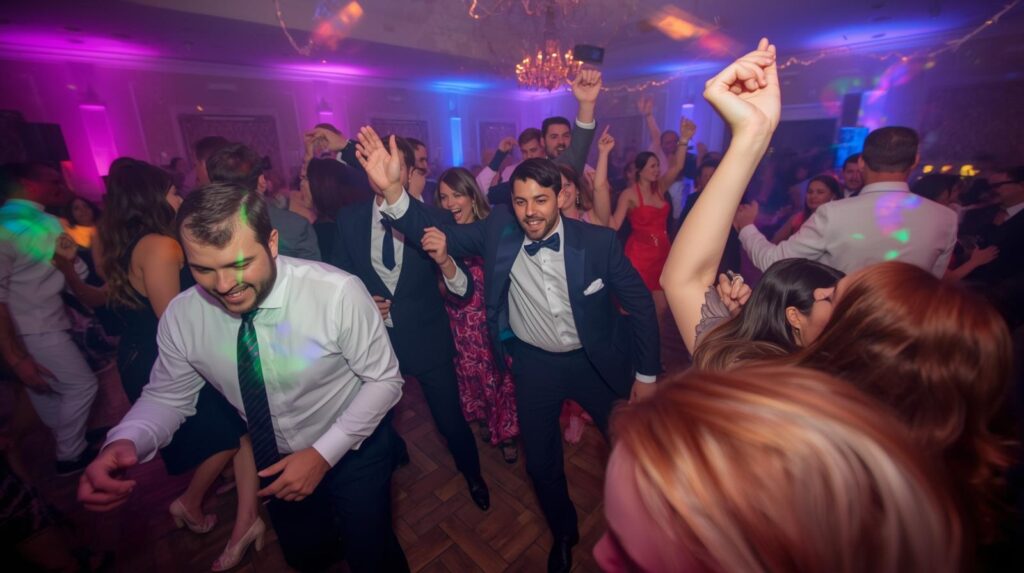
The first step to sustaining a vibrant dance floor is understanding your audience. Every crowd is unique, and even a group that seems homogenous may have a wide variety of musical tastes, energy levels, and comfort zones. Reading the crowd starts well before the first song plays.
1.1 Pre-Event Preparation
Knowing who will be attending is crucial. For weddings, consider the age range, cultural background, and preferred genres of music. For corporate events or private parties, understanding the group’s professional or social background can provide clues about their musical inclinations. This can be achieved by:
- Consulting with the host or planner: Ask for playlists or examples of music they enjoy.
- Surveying attendees: Some DJs use pre-event surveys to understand the music preferences of guests.
- Studying past events: Reviewing photos or videos from similar events can provide insight into what styles got people moving.
Preparation allows a DJ to tailor the musical journey to the specific audience, increasing the chances of keeping the floor full.
1.2 Reading the Room
Once the event begins, reading the room becomes an ongoing process. Skilled DJs observe subtle cues:
- Body language: Who is standing, who is talking, who is tapping their foot? Even small gestures can indicate readiness to dance.
- Dance patterns: Certain songs may inspire small movements before guests feel comfortable breaking into full dance.
- Group dynamics: Guests often mirror the energy of others. Encouraging a few key influencers to dance can trigger widespread participation.
- Facial expressions: Smiles, laughter, and singing along are indicators of engagement.
A DJ must be both reactive and proactive, recognizing moments when the crowd is ready to elevate the energy, as well as moments when it’s better to bring the intensity down for a breather.
2. Crafting the Musical Journey: Blending Genres for Maximum Engagement
No one genre dominates all crowds. Some guests might love hip-hop, others prefer 80s pop, and still others are drawn to classic rock or electronic dance music. Blending genres thoughtfully can keep the energy alive while satisfying a diverse audience.
2.1 Strategic Song Selection
Selecting songs strategically is essential. This includes:
- Opening sets: Start with familiar, moderately-paced songs that invite participation. Avoid tracks that are too slow or too obscure.
- Energy building: Gradually increase tempo and intensity, layering beats and rhythms to guide guests from comfortable movement to full-on dancing.
- Peak moments: Identify points in the event where energy should reach its maximum—often after dinner at weddings, or midway through corporate parties.
- Cooldown periods: Not every song should be a high-energy track. Slower or mid-tempo songs give guests a chance to catch their breath while maintaining engagement.
The art lies in sequencing tracks so transitions feel natural, yet surprising enough to keep interest.
2.2 Seamless Genre Blending
Blending genres requires both technical skill and musical intuition. Techniques include:
- Mashups and remixes: Incorporating elements of one genre into another can create a fresh sound while maintaining recognition. For example, a classic Motown hit remixed with a modern dance beat can excite multiple generations.
- Key and tempo matching: Ensuring songs are in compatible keys and tempos prevents awkward transitions and keeps the flow smooth.
- Live mixing techniques: Looping, beatmatching, and crossfading allow a DJ to weave disparate genres together without losing momentum.
A well-blended set can energize guests who might otherwise hesitate to dance, creating moments where different musical tastes converge on the floor.
3. Reading Energy Levels: When to Push and When to Pull
Maintaining energy isn’t just about playing fast songs. It’s about understanding pacing and timing. A DJ must balance peaks and valleys to avoid fatigue.
3.1 Building Momentum
Energy tends to increase naturally as more people join the dance floor. Techniques include:
- Call-and-response moments: Encourage guests to sing along or respond to MC prompts. This can boost confidence and participation.
- Familiarity cues: Drop well-known hits at strategic moments to bring guests to the floor. Recognition breeds engagement.
- Layered intensity: Introduce songs with increasing energy in waves rather than all at once. For example, a mid-tempo 90s hit can be followed by a faster current pop track.
3.2 Strategic Breaks
Ironically, stepping back occasionally enhances overall energy. Breaks allow:
- Guests to rest: Dancing is physically demanding, and small pauses prevent exhaustion.
- Focused attention: Use slower or background music during dinner, speeches, or announcements.
- Anticipation building: A well-timed pause before a high-energy song creates excitement and makes the drop feel impactful.
Mastering the rhythm of energy versus rest is a hallmark of professional DJs and MCs.
4. Engaging the Crowd: Beyond the Music
A DJ’s role often extends into MC territory. Engaging the crowd vocally and visually ensures that energy stays high.
4.1 Mic Skills and Announcements
Clear, confident announcements help coordinate events and keep energy flowing. Techniques include:
- Welcoming guests: Set the tone with excitement and positivity.
- Introducing key moments: Make transitions like the first dance, cake cutting, or bouquet toss feel dynamic.
- Encouraging participation: Prompt the crowd to join in, whether for dancing or sing-alongs.
Avoid over-announcing, as too many interruptions can break the flow.
4.2 Reading Audience Reactions
MCs can guide the night by observing and responding to reactions:
- Spotlight interactions: Recognize enthusiastic dancers, encouraging others to join.
- Humor and relatability: Light jokes or commentary that connect with the audience enhance engagement.
- Flexibility: If a planned moment doesn’t resonate, adjust quickly. For example, skip a mid-tempo song if the crowd is eager for faster beats.
The combination of music and verbal engagement creates a holistic experience, keeping the dance floor energized.
5. Leveraging Technology: Lighting, Effects, and Sound Design
The visual and auditory environment can significantly influence energy levels. Modern DJs integrate technology to amplify crowd participation.
5.1 Lighting Techniques
Lighting sets the mood and drives energy:
- Dynamic color changes: Match lighting to the tempo and style of songs. Fast, bright lights for peaks, softer tones for slow moments.
- Spotlighting key dancers or moments: Focus attention on performers or couples during special dances.
- Interactive effects: Strobes, fog machines, and moving lights can create excitement and encourage participation.
5.2 Sound Optimization
Proper sound design ensures music resonates without overwhelming:
- Balanced levels: Avoid overpowering bass that causes fatigue, but maintain enough punch to feel the beat.
- Zone control: Adjusting volume in different areas allows guests to talk, mingle, or dance comfortably.
- Wireless microphones and backups: Prevent interruptions that can kill momentum.
5.3 Multimedia Integration
Some events benefit from projection screens or music videos:
- Visual cues for songs: Lyrics or videos can encourage sing-alongs.
- Themed visuals: Matching content to an event theme enhances immersion.
6. Reading Trends Without Losing Classic Appeal
While staying current with music trends is important, timeless tracks often keep multiple generations on the dance floor.
- Balance modern hits with classics: For weddings, blend contemporary pop with beloved hits from the 70s, 80s, or 90s.
- Cultural inclusivity: Consider world music, regional favorites, or culturally significant songs.
- Unexpected mashups: Surprise guests by combining old and new, keeping the atmosphere fresh.
Being aware of trends ensures relevancy while classics maintain broad appeal.
7. Advanced Crowd Control Techniques
Experienced DJs know subtle psychological methods to keep the floor active.
7.1 Staggered Entrances
Introduce songs that gradually bring people from the back of the room to the floor:
- Solo invites: Encourage individual dancers to start, others follow naturally.
- Group dances: Line dances or coordinated moves help less confident guests join.
7.2 Energy Peaks Timing
Plan the night’s schedule with energy peaks:
- Early peak: After dinner or during signature events.
- Mid-peak: Main dancing window, often mid-party.
- Final peak: End-of-night anthem that leaves guests energized.
7.3 Social Proof
Guests follow cues from others:
- Highlight enthusiastic dancers: Their energy is contagious.
- MC shout-outs: Praise participants or suggest fun moves, encouraging broader participation.
8. Troubleshooting Common Dance Floor Challenges
Even with careful planning, every event faces challenges:
- Empty dance floor early: Play widely recognized hits, reduce tempo, or involve the MC to invite guests.
- Genre clash: Use mashups or smooth transitions to bridge styles.
- Crowd fatigue: Insert slower, interactive songs or take short breaks to recharge energy.
- Technical issues: Always have backups for sound, lighting, and playlist access.
Preparation and adaptability distinguish great DJs from average ones.
9. Maintaining Momentum Until the Last Song
The final song leaves a lasting impression. To maintain energy:
- Build a crescendo: Lead into the finale with rising tempo and anticipation.
- Signature anthem: Pick a universally recognized track or a song with high emotional impact.
- MC cue: Encourage all guests to join, creating a collective celebratory moment.
- Gradual cool-down: Avoid abrupt endings; transition smoothly to slower or closing music for a satisfying conclusion.
A strong finish ensures guests leave happy and energized, reflecting positively on the entire event.
10. Final Thoughts: The Art of Sustained Energy
Creating an energetic dance floor all night long is a complex skill that combines musical knowledge, psychological insight, technical ability, and emotional intelligence. DJs who excel:
- Prepare thoroughly before the event.
- Read the room continuously, adjusting to the audience’s mood.
- Blend genres creatively to keep everyone engaged.
- Control energy levels through pacing, breaks, and interactive cues.
- Integrate technology to enhance the auditory and visual experience.
- Balance current hits with timeless classics to appeal to all guests.
- Adapt to unexpected changes with confidence and flexibility.
By mastering these techniques, a DJ transforms a simple gathering into an unforgettable celebration. Guests leave not just with memories of the music, but with the feeling of having been part of a night that was alive from start to finish.
The secret is not just about playing songs; it’s about guiding an experience, curating moments, and inspiring people to connect, celebrate, and dance like there’s no tomorrow. An energetic dance floor isn’t just a goal—it’s the outcome of careful planning, sharp observation, and the intuitive skill of a DJ who knows exactly how to keep the party alive until the very last song.