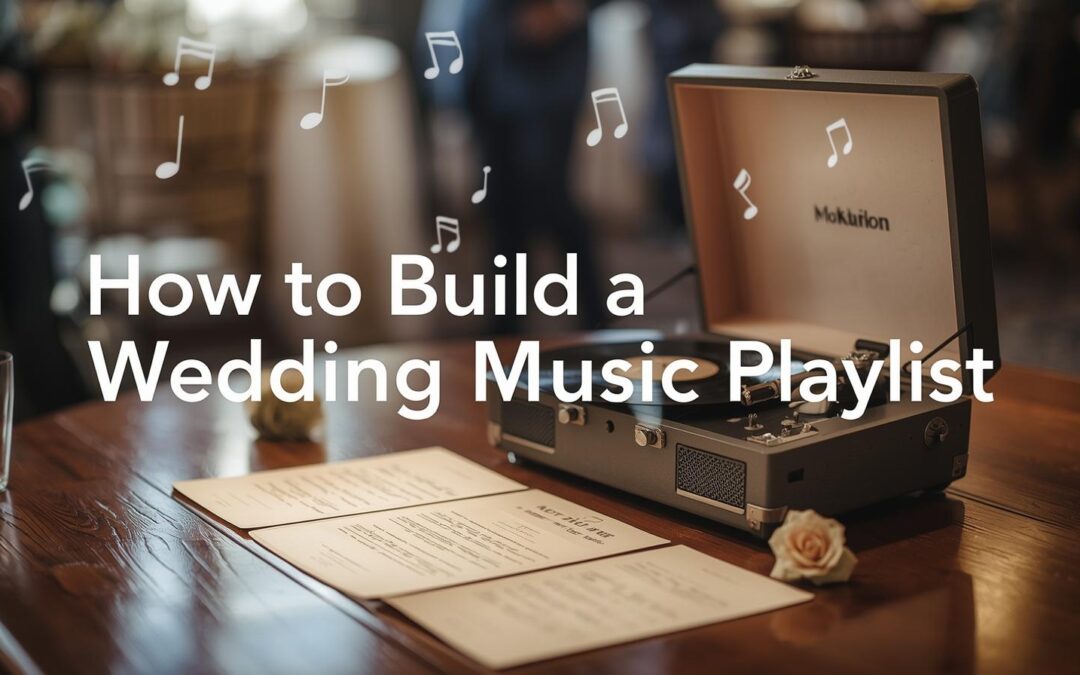
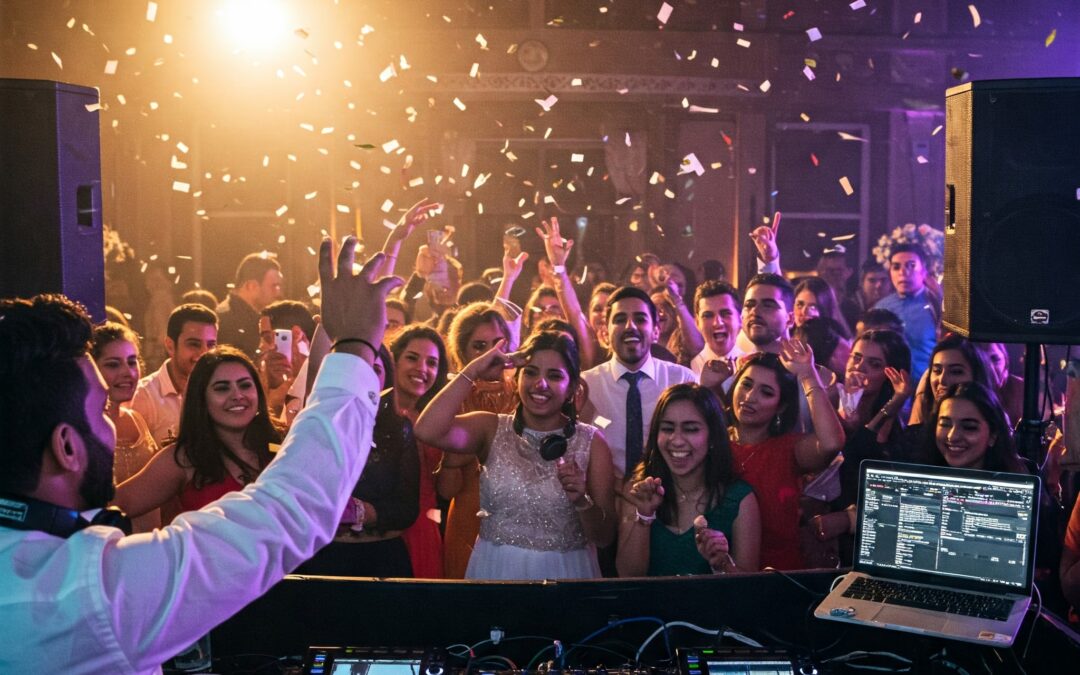
A wedding is one of the most significant moments in a couple’s life. From the ceremony to the reception, every detail contributes to creating memories that last a lifetime. Among all the elements that make a wedding special, music plays an undeniably vital role. A well-curated playlist can elevate emotions, encourage guests to dance, and create unforgettable memories. But how do you craft a wedding playlist that feels personal, fun, and unforgettable without turning the music into chaos?
DJ iSizzle, a professional wedding DJ and MC based in Seattle, shares his unique system for creating meaningful playlists using a Must-Plays, Nice-to-Haves, and Do-Not-Plays framework. This approach ensures that every moment of your wedding — from the first dance to the last song of the night — resonates with the couple and their guests.
1. Understanding the Role of Music in a Wedding
Before you start choosing songs, it’s essential to understand why music matters. Music is emotional shorthand; it sets the tone, creates energy, and tells a story. At weddings, music serves several purposes:
Setting the Mood From soft, romantic instrumentals during the ceremony to upbeat dance tracks for the reception, music establishes the emotional atmosphere. Guests often associate songs with memories, so the right track can evoke joy, nostalgia, or excitement.
Telling Your Story A couple’s playlist is a story in itself. Your first dance, songs during dinner, and reception tracks should reflect your personalities, your journey as a couple, and your shared experiences.
Guiding the Flow of the Event Music doesn’t just play in the background; it dictates pacing. Upbeat songs signal party time, slower songs create intimate moments, and instrumental tracks fill ceremonial gaps without overshadowing speeches.
Encouraging Guest Interaction Great playlists get people moving. Whether it’s a father-daughter dance or a surprise flash mob, music invites participation and creates lasting memories.
Understanding these roles is crucial before picking individual songs. A well-structured wedding playlist considers not only what songs you love but also how they affect the people in the room.
2. The DJ iSizzle System: Must-Plays, Nice-to-Haves, Do-Not-Plays
When it comes to curating a wedding playlist, DJ iSizzle recommends a simple, yet highly effective system: Must-Plays, Nice-to-Haves, and Do-Not-Plays (MND). This framework prevents the playlist from feeling generic while keeping the flow of the event smooth and enjoyable.
Must-Plays: The Heart of Your Playlist
Must-Plays are songs that are non-negotiable. They represent the couple’s identity and key moments of the wedding. Examples include:
First dance songs
Parent dances (father-daughter, mother-son)
Signature reception hits that everyone expects
Songs that are emotionally significant to the couple
When creating this list, consider:
Personal Connection: Did the song play on your first date? Does it reflect a shared hobby or favorite memory?
Guest Expectations: Are there songs your family or close friends expect to hear?
Energy Levels: Ensure Must-Plays cover a mix of tempos for key moments like walking down the aisle, cake cutting, or sparking the dance floor.
Tip: Limit your Must-Plays to 10–15 songs. This keeps the list focused and ensures these tracks stand out.
Nice-to-Haves: Enhancing the Atmosphere
Nice-to-Haves are songs that you’d love to include but aren’t essential. These tracks are flexible and allow your DJ to read the room, adjusting the flow of the night based on guest energy.
Songs from your favorite genres that may appeal to certain guests
Tracks for transitions, dinner ambiance, or cocktail hour
Fun crowd-pleasers that add variety but aren’t “make-or-break”
The beauty of Nice-to-Haves is flexibility. Your DJ can seamlessly mix them in, rotate them based on energy levels, and still keep the wedding flowing naturally.
Do-Not-Plays: Avoiding the Wrong Vibe
Just as important as Must-Plays are Do-Not-Plays. This list ensures the playlist reflects your taste without alienating guests or creating awkward moments.
Songs with offensive or explicit lyrics that don’t suit a family-friendly wedding
Tracks with strong personal associations you don’t want recalled at your wedding
Overplayed hits you personally dislike
Songs that may conflict with ceremony moments or event timing
Having a clear Do-Not-Play list prevents your DJ from accidentally spinning a track that dampens the mood or evokes unintended memories.
3. Steps to Building Your Wedding Playlist
Now that you understand the MND system, here’s a step-by-step guide to building a playlist that’s personal, fun, and unforgettable.
Step 1: Identify Key Moments
Every wedding has distinct musical moments. Start by mapping your day:
Ceremony
Prelude music (guests arriving)
Processional (bridal party, bride walking down the aisle)
Interlude (ring exchange or special readings)
Recessional (couple exiting the ceremony)
Cocktail Hour
Soft, upbeat music to create a relaxed atmosphere
Background tracks that spark conversation but aren’t overpowering
Dinner / Speeches
Instrumentals or mellow tracks that allow for conversation
Songs meaningful to the couple but subtle enough to not interrupt speeches
Reception / Dancing
Opening dance
Parent dances
High-energy songs to encourage guests onto the dance floor
Slow songs for intimate moments
Closing songs
Mapping these moments ensures every song choice has a purpose, contributing to the overall narrative of the day.
Step 2: Brainstorm Must-Plays
Now that you know your key moments, brainstorm the Must-Plays list:
Ask each partner: “If you could hear only 3–5 songs at the wedding, which would they be?”
Include songs with deep emotional significance (first dance, proposal song, favorite memories).
Consider crowd-pleasers your guests will expect, but make sure they resonate with you personally.
Example:
First Dance: “At Last” – Etta James
Father-Daughter Dance: “My Girl” – Temptations
Mother-Son Dance: “What a Wonderful World” – Louis Armstrong
Limiting Must-Plays ensures these key moments remain special and memorable.
Step 3: Expand with Nice-to-Haves
Next, populate the Nice-to-Haves category. This is where you get creative:
Create a genre mix: Pop, R&B, 80s classics, modern hits, indie favorites
Think about audience diversity: Kids, older guests, friends with different musical tastes
Include transitional tracks: Songs that maintain energy between key moments
Pro tip: Work with your DJ to identify songs that work in multiple contexts. For example, a mellow pop song may work as a dinner background track or a slow dance if needed.
Step 4: Define Do-Not-Plays
This step is often overlooked but critical. Be honest:
Avoid songs that evoke negative memories or awkward associations
Consider cultural sensitivities of guests
Identify overly repetitive or cliché tracks you don’t enjoy
Creating a Do-Not-Play list prevents the accidental inclusion of songs that could derail the mood.
Step 5: Balance Energy Levels
Your playlist should feel like a journey:
Warm-Up: Light, upbeat tracks during cocktail hour
Build Momentum: Moderate tempo songs during dinner
Peak Energy: High-energy hits for dancing and partying
Cool-Down: Slow or sentimental songs near the end of the night
Grand Exit: An unforgettable send-off track
This ensures your wedding never feels flat or chaotic. DJ iSizzle emphasizes that pacing is key — songs shouldn’t compete with conversation, speeches, or ceremonial moments.
Step 6: Collaborate With Your DJ
Even the most carefully curated playlist benefits from professional guidance:
A skilled DJ knows how to read the room and adjust energy levels
They can create smooth transitions, mash-ups, or medleys to keep guests engaged
DJs also manage technical aspects like volume, timing, and sound quality
DJ iSizzle works closely with couples to ensure Must-Plays are honored, Nice-to-Haves are integrated seamlessly, and Do-Not-Plays are avoided. Collaboration guarantees a personalized, polished, and unforgettable soundtrack.
4. Examples of Playlist Structures
Here’s a sample wedding playlist using DJ iSizzle’s MND system:
Ceremony:
Prelude: “Canon in D” – Pachelbel (Nice-to-Have)
Processional: “A Thousand Years” – Christina Perri (Must-Play)
Interlude: “River Flows in You” – Yiruma (Nice-to-Have)
Mother-Son Dance: “What a Wonderful World” – Louis Armstrong (Must-Play)
High-Energy Hits:
“Uptown Funk” – Bruno Mars (Nice-to-Have)
“Can’t Stop the Feeling” – Justin Timberlake (Nice-to-Have)
Slow Songs:
“All of Me” – John Legend (Nice-to-Have)
“Perfect” – Ed Sheeran (Nice-to-Have)
Grand Exit: “Don’t Stop Believin’” – Journey (Must-Play)
Do-Not-Plays:
“Achy, Breaky Heart” – Billy Ray Cyrus
Explicit rap songs with adult themes
Songs associated with negative memories
5. Personalizing Your Playlist Further
Include Cultural or Family Traditions
If your family or guests have particular musical traditions, incorporate them. Examples include:
Traditional dance songs
Cultural instrumentals
Religious or ceremonial music
Create Themed Mini-Segments
Some couples enjoy adding themed mini-segments to their playlist:
80s throwback hour
Motown classics
Latin dance set
These add layers of fun and appeal to multiple generations.
Reflect Your Relationship
Consider songs that represent milestones in your relationship:
First concert you attended together
Songs that played during a special trip
Inside jokes or fun memories
These personal touches make your playlist unique and memorable.
6. Testing and Finalizing
Once your initial playlist is drafted:
Listen Through: Make sure songs flow naturally.
Time Check: Ensure each segment matches the event timeline.
Consult Your DJ: Experienced DJs can identify pacing issues, suggest transitions, and adjust for energy flow.
Revise: Remove redundant tracks, add crowd-pleasers, and finalize Must-Plays and Do-Not-Plays.
DJ iSizzle often recommends couples rehearse key dances with the selected songs to ensure the timing and energy feel right.
7. Tips for Guests’ Experience
Variety is Key: Mix tempos, eras, and genres to keep everyone engaged.
Avoid Overplaying: No one wants a night of repetitive top 40 songs.
Anticipate Requests: Decide if your DJ will take guest requests and if they align with your MND system.
Consider Volume Levels: Background music should not compete with conversation, and dance music should energize without being overwhelming.
8. Mistakes to Avoid
Overloading the Must-Plays list: This can make the playlist feel rigid.
Ignoring Do-Not-Plays: Accidental inclusion can create awkward moments.
Not considering guest demographics: A playlist too niche may alienate older or younger guests.
Not collaborating with a professional DJ: Music flow, timing, and transitions are difficult to execute without experience.
9. Why the MND System Works
The Must-Plays, Nice-to-Haves, Do-Not-Plays system works because it balances personal taste with guest enjoyment, allowing flexibility without sacrificing control. Couples feel confident that their key songs will be played, while the DJ maintains the energy and flow of the night.
10. Final Thoughts from DJ iSizzle
“A wedding playlist should tell your story, not just fill the air,” says DJ iSizzle. “It’s about creating moments people will remember for a lifetime — first dances, laughter, surprise dances, and unforgettable energy. By using the Must-Plays, Nice-to-Haves, Do-Not-Plays system, couples can ensure their music is personal, fun, and unforgettable, while allowing the DJ to bring professional expertise to every beat.”
Conclusion
A wedding playlist is more than just background music — it’s the soundtrack of your love story. By identifying key moments, categorizing songs into Must-Plays, Nice-to-Haves, and Do-Not-Plays, and collaborating with a professional DJ, you can create a playlist that is personal, fun, and unforgettable.
Whether you’re planning a small intimate wedding or a grand reception, taking the time to thoughtfully craft your playlist ensures that every guest, young or old, feels the joy, energy, and love of your special day.
Music is powerful. Done right, it makes your wedding more than a celebration — it makes it a memory that lasts a lifetime.
Known for his professionalism and a deep passion for music, he crafts unforgettable experiences through personalized playlists and seamless event coordination. Whether it’s your ceremony, reception, or the after-party, DJ iSizzle brings unmatched energy and expertise to make your wedding unforgettable.
Cocktail hour at a wedding often feels like a sweet pause — a time when guests mingle, sip signature drinks, and soak in the excitement before the reception kicks off. But for many couples, this transitional moment can be overlooked or under‑curated. As a wedding DJ who’s spun thousands of hours, I’m here to tell you: when done right, the cocktail hour is one of the most important parts of your celebration.
Here’s my guide — based on experience, stories, and proven strategies — for making your cocktail hour fun, musical, and perfectly in sync with the rest of your event.
1. Understand the Role of Cocktail Hour Music
1.1 Ambiance, Not a Show
First off, treat cocktail hour music as ambiance, not a performance. Its job is to support conversation, not demand center stage. According to wedding planning guides, the music should remain mellow and played at a low volume so it doesn’t overshadow guests mingling. WeddingWire+2Wedding Spot+2
If the music is too loud or intrusive, it competes with the social energy — that’s a fast way to put people off. As one DJ guide notes, you want a subtle backdrop that enhances, rather than dominates, the space. Gay Weddings Magazine
1.2 Building Anticipation
Cocktail hour is also a bridge — a sonic and emotional transition from ceremony to reception. The right music helps set the tone for the rest of the evening. According to planners, you can gently build energy over the hour, setting the stage for the main party. One Of A Kind Events
A well-crafted playlist or DJ set during cocktail hour is like the opening act: it doesn’t need to steal the spotlight, but it should hint at what’s to come.
1.3 Volume & Audio Balance
One practical technical note: volume matters. Too quiet, and the music fades into the background so much that it loses impact. Too loud, and it drowns out conversations or makes guests lean in uncomfortably. As one DJ entertainment company puts it, striking the right balance is key. Altitude DJ
A professional DJ will continuously monitor and adjust sound levels as the space fills, and as guests move around. This dynamic adjustment is part of the value of having a DJ (vs just a plug-in playlist).
2. Choose the Right Types of Music for Cocktail Hour
Here, I walk you through genres, song styles, and how to pick tracks that enhance conversation and mood.
2.1 Recommended Genres & Styles
Some genres are almost tailor-made for cocktail hour — they create warmth, sophistication, and timelessness without demanding that people stop chatting.
Jazz (instrumental, smooth): Classic, elegant, and conversation-friendly. Big band or small combo both work. Gay Weddings Magazine+1
Classical: Instrumental classical music brings a graceful, refined feel. Gay Weddings Magazine+1
Soft Pop / Acoustic: Light pop or acoustic covers give a familiar feel while keeping things gentle.
Soul / R&B (soft): Warm vocals, mellow rhythms, familiar but not overpowering.
Indie Folk / Indie Pop: Great for modern weddings — a little unexpected, but very lovely and unobtrusive.
Instrumental Covers: String quartet versions of modern songs, piano covers, or other arrangements strike a nice balance. Wedding-spot guides recommend Vitamin String Quartet covers, for example. Wedding Spot
2.2 Mixing Familiar & Fresh
One of my favorite strategies is to mix familiar crowd-pleasers with a few surprising tracks. This gives guests something they recognize — which helps them relax — while also adding moments of discovery.
My one-of-a-kind playlist advice: pick 10–15 “seed” songs that define your vibe (classic jazz, indie love songs, acoustic soft pop), then layer in another 20–30 that complement those. One Of A Kind Events
That way, you have a strong foundation but also enough variety to keep things interesting without jarring shifts.
2.3 Flow Over Hour
Structure your cocktail hour music thoughtfully:
Start soft: Use mellow, warming tracks as guests begin to arrive.
Groove in the middle: As guests settle in, you can bring in a slightly steadier rhythm — still chill, but with a touch more motion and engagement.
End with a lift: Finish up the hour with a few more upbeat (yet still smooth) songs that help segue into the energy of the reception. This rise in energy feels intentional and exciting. One Of A Kind Events
This kind of pacing builds emotion in a natural way.
3. Practical DJ Tips From DJ iSizzle
Here’s how, as a working wedding DJ, I think about programming and executing cocktail hour music. If you hire me (or any pro DJ), these are the behind‑the-scenes moves I make to make your cocktail hour feel effortless.
3.1 Preparation & Planning
Client Consultation: Early in the planning, I ask couples what vibe they want for cocktail hour. Do they want totally background? Slightly more engaged? Do they have “must-play” or “do-not-play” tracks?
Song List & Requests: I encourage couples to build a “must,” “maybe,” and “no thanks” list. That way, I know their priorities but also have creative room.
Backup Tracks: I always build buffer tracks — extra songs that I can pull in if the hour runs long. And I have “wildcards” (uplifting but still appropriate) that I can drop in if the energy dips.
Soundcheck: Before guests arrive, I test audio levels in the cocktail area. Since DJ setups for cocktail hour may be separate from reception areas, I double-check coverage, volume, and speaker positioning.
3.2 Live Adjustments
Monitor the Room: As guests come in and start mingling, I adjust volume and track selection in real time. If people are deep in conversation, I might pick more chill, instrumental songs. If there’s laughter or people seem energized, I’ll lean into groovier tunes.
Transitions & Flow: Smooth transitions are crucial. I use tempo matching, key matching, and phrasing to move between tracks gracefully — no abrupt jumps that jar the mood.
Announcements: Generally, I avoid making announcements during cocktail hour, unless necessary (like a toast or logistical note). Music remains the focus — not the MC spotlight.
3.3 Segue to Reception
One of the things I do really carefully is plan the transition from cocktail hour into reception. Because I’ve built the cocktail set to gradually rise in energy, I can drop in more upbeat, slightly more “dance-ready” tracks at the end, but still stay in the background. Then, as the reception begins, I’m ready to shift gears into the high-energy dance set.
4. Curating a Playlist (Even If You Don’t Have a DJ)
Maybe you’re not working with a DJ for cocktail hour — maybe you’re making a playlist yourself or using a streaming service. That’s totally fine. Here are my tips for building your own:
4.1 Start With a Template
Use professional or pre-made playlists as a starting point. Sites like Lakeside DJs have expertly curated Spotify lists for wedding cocktail hours. Lakeside DJs Other DJ-curated mixologists (like Music Mixologists) also publish a wide array of ambient and themed wedding cocktail hour playlists. The Wedding Music Mixologists
These can give you direction, then you can personalize them.
4.2 Choose Your Seed Songs
Pick 10–15 songs that set your desired mood. These are your foundation — the tracks that reflect your taste and the overall vibe you want to create. Use a mix of genres: maybe a few jazz standards, some soft pop, an indie cover, etc. One Of A Kind Events+1
4.3 Build Out With Variety
From there, expand your list with more songs in complementary styles:
A few instrumental covers (like string quartet versions of pop hits)
Classic jazz or swing
Soft soul or R&B
Light acoustic or indie pop
Maybe a few modern covers, if it suits your style
Be careful about extremes: you don’t want songs that are too slow (which may feel like waiting) or too fast/high-energy (which competes with conversation). One Of A Kind Events
4.4 Arrange for Flow
When you order your playlist, think about how it will unfold over an hour:
First 10 minutes: Gentle, welcoming
Middle 30–40 minutes: Steady groove, familiar but interesting
Final 10–15 minutes: Slight lift, momentum building toward reception
Also build in backup / overflow songs — if your cocktail hour runs long (which often happens), you’ll want flexibility. One Of A Kind Events
4.5 Test & Fine‑Tune
Before the wedding, play your playlist in a similar environment (if you can): maybe in your living room, or during a dinner party. Pay attention to transitions, energy shifts, and volume levels. Make adjustments. Your DJ (if you’re hiring one later) will appreciate a refined list; if it’s self-managed, you’ll feel more confident.
5. Understanding Guest Psychology: How Music Affects Conversation
To really do cocktail hour right, it helps to know a little about how people experience conversations when there’s music playing.
5.1 Lyrics vs. Instrumentals
Research has shown that music with lyrics can more significantly “mask” speech, making it harder for people to hear each other. arXiv That doesn’t mean you should avoid songs with vocals — but you should be thoughtful.
Instrumentals are a really safe bet for much of cocktail hour. They provide texture without competing with spoken words.
5.2 Complexity & Volume
Music that is overly complex, or has lots of competing elements, can draw cognitive attention. Similarly, if volume is too high, it forces guests to lean in or raise their voices, which feels unnatural.
So, as a DJ (or playlist creator), aim for songs that are:
Harmonically pleasant
Rhythmically smooth (not jarring)
Mid-range in instrumentation — not a full wall of sound
Played at a volume that allows conversation without shouting
6. Sample Song Ideas & Playlist Suggestions
To make things concrete, here are some song ideas, plus a sample cocktail hour playlist structure inspired by DJ iSizzle’s approach.
6.1 Song Suggestions by Genre
Here are some types of tracks to consider, based on common wedding cocktail hour favorites:
Jazz / Swing / Standards: Big band tunes, Miles Davis, Louis Armstrong, Sinatra, etc. Gay Weddings Magazine+1
Classical / Instrumental: Piano versions of pop songs, string quartet covers, soft classical pieces. Wedding Spot
Soft Pop / Acoustic: “I’m Yours” by Jason Mraz WeddingWire, “Domino” (Van Morrison cover), etc.
Indie / Modern: Indie love songs, modern acoustic covers, indie pop tunes.
Instrumental Covers: Anything from Vitamin String Quartet, piano or guitar arrangements.
Some specific picks from experts:
“Sway” by Michael Bublé – Latin-jazz feel, mellow and classy. WeddingWire
“L‑O‑V‑E” by Nat King Cole – classic swing elegance. WeddingWire+1
“Here Comes the Sun” (instrumental version) – peaceful, familiar. WeddingWire
“Georgia on My Mind” by Ray Charles – soulful and comforting. WeddingWire
“Fever” by Peggy Lee – smooth jazz with personality. Yeah Weddings
6.2 Sample 60‑Minute Playlist Structure
Here’s a mock 60-minute cocktail hour playlist (you can adjust based on timing):
“Sway” – Michael Bublé
“Here Comes the Sun” – instrumental / acoustic version
“Georgia on My Mind” – Ray Charles
“I’m Yours” – Jason Mraz (acoustic feel)
“Domino” – Van Morrison (or a cover)
“At Last” – Etta James
“My Girl” – The Temptations
“Love Song” – Rhye
“How Sweet It Is (To Be Loved by You)” – Marvin Gaye
“Home” – Edward Sharpe & The Magnetic Zeros
“Beyond the Sea” – Bobby Darin
“Fever” – Peggy Lee
“L‑O‑V‑E” – Nat King Cole
“Such Great Heights” – The Postal Service (soft or instrumental cover)
“Lovely Day” – Bill Withers (to build a little warmth toward the reception)
This list starts soft, builds a bit, then closes on a warm, upbeat note to lead into your reception. Feel free to swap songs based on your taste, guest demographic, or wedding style.
7. Coordinating With Other Vendors & the Venue
The cocktail hour doesn’t happen in a vacuum — you’re likely working with caterers, lighting & decor teams, photographers, and possibly live musicians. Here’s how to coordinate so music supports the overall event flow.
7.1 Timing & Logistics
Know your layout: Is cocktail hour in the same room as the reception, or somewhere separate? Will your DJ system need to be relocated or duplicated?
Schedule overlap: If live musicians (like a string quartet) are playing during cocktail hour, talk to your DJ (or yourself) about how to integrate or transition. As some experts suggest, mixing live and curated music can elevate the experience. Mil Besos Weddings
Sound Zones: Ensure sound levels are appropriate for where people are gathering (bars, lounge areas, food stations). Your DJ should walk the space during setup.
7.2 Lighting & Ambiance
Music pairs with lighting to set mood. As noted by event entertainment pros, soft ambient lighting, dimmed uplights, and warm spotlights enhance the sensory experience when paired with mellow background tracks. Altitude DJ
7.3 Communication With Vendors
Coordinate with photographers: Photographers often use cocktail hour as prime time for candid moments. Let them know your music plan so they can schedule around quieter or busier moments.
Caterers & staff movement: If appetizers are being passed or stations are mobile, the DJ (or playlist) should adapt to shifting traffic flows and energy.
MC involvement: If your MC (DJ iSizzle-style) needs to make announcements (welcome toast, schedule notes), plan those in at lower-volume moments. But usually, the MC takes a backseat during cocktail hour — less is more.
8. Engaging Guests Musically Without Overwhelming
Here’s how to use music to entertain guests subtly, create connection, and set the stage — all without turning the cocktail hour into a mini dance party.
8.1 Surprise Elements
Vinyl or Record Requests: One fun trick: bring vinyl records or a record crate, and let guests browse and request a few songs. Something as simple as this encourages interaction and becomes a conversation starter. A bride on Reddit described her DJ bringing vinyl for guests to pick from — it became a fun, nostalgic moment. Reddit
Instrumental Covers of Guest Favorites: Including instrumental versions of well-known pop or classic songs gives people the comfort of recognition without the full distraction of lyrics.
8.2 Thematic Sound Moments
If your wedding has a theme (vintage, boho, modern, cultural), weave that into the cocktail hour music subtly:
For a vintage or Gatsby-style wedding: lots of swing, big band, and jazz standards.
For a boho / garden wedding: acoustic indie, modern folk, soft soul.
For a modern / minimalist event: ambient electronic, chill lounge, instrumental covers.
For a destination or culturally specific wedding: incorporate local or cultural music (instrumental Latin, bossa nova, world jazz) to reflect you as a couple.
8.3 Creating Transition Points
Use the last 10–15 minutes of cocktail hour to transition your music more energetically, signaling to guests that the reception is about to begin. That doesn’t mean full-on club hits, but slightly more movement in the rhythm and harmony can help shift the mood.
I often use a mini build-up — a few songs that lift just enough, then fade into the reception’s opening song or announcement. This feels intentional, not abrupt.
9. Common Mistakes & How to Avoid Them
Here are some pitfalls couples or DJs often run into — and how to steer clear.
9.1 Mistake: Too Much “Do-Not-Play” List
Some couples give DJs an overly restrictive “do-not-play” list. While it’s good to have boundaries, if the list is too long, it limits the DJ’s flexibility and ability to read the room. One experienced DJ online advised: “a few songs is fine, but handing over a huge genre ban list makes the music feel like an iPod, not a live-curated experience.” Reddit
9.2 Mistake: No Buffer Tracks
Cocktail hours rarely go exactly one hour. Weddings run on “wedding rhythm,” not a clock. If you don’t have extra songs ready, you may run out of music, or worse, loop tracks awkwardly. Build in buffer / overflow tracks.
9.3 Mistake: Ignoring Acoustic Reality
If your DJ is set up inside but the cocktail hour is outside (or vice versa), sound may not carry the way you think. It’s critical to test speaker placement, volume, and acoustics during setup.
9.4 Mistake: Volume Too High or Too Low
Get the sound right. Too loud: guests can’t talk. Too soft: music feels like an afterthought. Professional DJs will walk through the space during setup and make adjustments as guests arrive. Continuous monitoring is essential.
9.5 Mistake: Jarring Transitions
Switching from mellow jazz straight into high-energy dance music without a bridge feels disjointed. Build transitions gradually, matching tempo, energy, and key when possible.
10. Why Having a DJ (Like DJ iSizzle) Matters
You might be asking: why hire a DJ just for cocktail hour? Here’s why a pro makes a big difference.
Real-time energy management: A DJ doesn’t just press play — they read the room and shift the music to match.
Seamless transitions: DJs can fade tracks, match BPM/key, and make the musical flow feel natural.
Technical backup: I bring extra gear, backup tracks, and know how to adjust volume on the fly.
Cue for other moments: If there are announcements, toasts, or transitions to dinner, a DJ can sync music with MC moments smoothly.
Professional experience: I’ve done this hundreds of times. I know what works, what flops, and how to keep the vibe both relaxed and meaningful.
11. Real-Life Stories & Lessons (From DJ iSizzle’s Experience)
To ground this advice, here are a few real stories (anonymized) and lessons from my DJ life.
11.1 The Garden Wedding That Needed a Mood Reset
At one outdoor garden wedding, the cocktail hour started with very soft acoustic guitar, but as more guests arrived, the mood felt flat — people weren’t mingling much. I noticed during the first 15 minutes and gradually switched to a mix of warm soul and instrumental covers. The energy picked up, guests smiled more, and conversations flowed.
Lesson: Be ready to read the room early. If things feel too mellow, you can gently lift energy without breaking the vibe.
11.2 The Vinyl Crate Surprise
At another wedding, I brought a small crate of vinyl records (classic Motown, vintage jazz, ’70s soul), and guests were welcome to flip through and pick a few. It ended up being a hit — people chatted about songs, shared memories, and it became an icebreaker.
Lesson: Interactive musical elements (even small ones) help build connection among guests.
11.3 The Long Cocktail Hour (Buffer Saved the Day)
One couple underestimated how much photo time they needed, so their cocktail hour stretched to nearly 90 minutes. I had built in buffer tracks (extra 20 minutes of mellow but slightly groovy music), so I just rolled into them seamlessly. Guests barely noticed, and the energy remained consistent.
Lesson: Always build buffer tracks. Timelines shift — music shouldn’t feel rushed or looped.
12. Final Checklist: Getting Your Cocktail Hour Music Right
Here’s a quick checklist to make sure you’ve covered all the bases:
Define your vibe: mellow, warm, slightly lively?
Provide your DJ (or yourself) with a song list: must-play, maybe-play, do-not-play.
Build a playlist (or have DJ build one) with 10–15 seed songs + 20–30 complementary tracks.
Structure the hour with intentional flow: start soft → steady groove → lift.
Prepare buffer songs for time flexibility.
Test sound levels & speaker placement (with DJ): make sure it’s loud enough to hear, but not too loud to talk.
Communicate with other vendors (caterer, photographer, MC) about music plan.
Consider adding interactive or surprising musical elements (vinyl crate, instrumentals, live musicians).
Confirm how the transition into the reception will happen musically.
Do a run-through (if self-managing) to refine pacing, transitions, and volume.
Make sure your DJ (or playlist) is ready to adapt in real time.
13. Why This Matters to Your Wedding Day
Putting in thought and effort into your cocktail hour music isn’t just about filling time — it’s about shaping the emotional and social energy of your event. When guests walk into a space that feels intentional, warm, and thoughtfully curated, they engage more deeply. They laugh, talk, sip, and anticipate.
As a DJ, I’ve seen it transform many weddings: a cocktail hour that could have felt like a waiting room becomes a moment of connection, mood-setting, and energy buildup. That’s not just “filler” time — that’s a meaningful part of your wedding story.
14. Final Thoughts From DJ iSizzle
If there’s one bottom-line piece of advice I always share with couples, it’s this:
Don’t treat cocktail hour as an afterthought. It’s not just downtime. It’s a musical chapter in your wedding day. Give it the same care and intentionality as your ceremony and reception.
Whether you hire a DJ (like yours truly) or build a playlist, choose music that supports people talking, knowing, and celebrating. Keep it in the background, but let it breathe. Let it lift. Use it to tell the first part of your story — the part where guests arrive, connect, and feel the promise of the evening ahead.
Your cocktail hour can be one of the most memorable, warm, and well-curated moments of the whole day. Do it right, and people will talk about it long after the dance floor opens.
When it comes to planning a wedding, there are countless details to consider—from selecting the perfect dress to choosing a venue that captures your vision—but few elements shape the overall experience quite like music. In Episode 22 of Behind the Booth, DJ iSizzle dives deep into the art of wedding playlist planning, offering a wealth of insights that make him an indispensable resource for couples preparing for their big day. Titled “The Ultimate Wedding Playlist Planning”, this episode is not just a tutorial—it’s a masterclass in creating an unforgettable musical experience.
I’ve had the pleasure of listening to this episode, and as someone who loves weddings and the magic of music, I can confidently say that DJ iSizzle’s advice is practical, professional, and, most importantly, heartfelt. He doesn’t just focus on the logistics of playlist creation; he emphasizes the emotional power of music and its ability to shape the atmosphere of every moment—from the pre-ceremony hush to the final dance of the night. For couples looking to make their wedding truly memorable, this episode is a must-listen.
Setting the Tone: Music as the Emotional Framework of Your Wedding
One of the first things DJ iSizzle addresses in Episode 22 is the importance of setting the right tone for your wedding day. He explains that music is not just background noise; it is the emotional framework that guides the experience for both the couple and their guests. From the moment guests arrive, the music you choose can create a sense of anticipation, excitement, and warmth. DJ iSizzle breaks down pre-ceremony selections, emphasizing the balance between elegance and approachability.
What I particularly appreciated was his discussion about the subtle power of music during transitional moments. For example, he points out that the songs played as guests are seated or during cocktail hour can make a lasting impression. The right background music can put everyone at ease, spark conversation, and set the stage for the celebrations to come. For couples who might feel overwhelmed by the idea of selecting dozens of songs, DJ iSizzle offers a reassuring perspective: focus on the emotions you want to evoke, not just the songs themselves.
He also touches on the idea that your playlist should reflect your personal tastes while keeping in mind the diversity of your audience. Weddings often bring together people from different generations and musical backgrounds, and a skilled DJ like iSizzle knows how to navigate this challenge. His advice encourages couples to think strategically about their selections—creating a soundtrack that feels cohesive, inclusive, and, most importantly, authentic to them as a couple.
Planning Special Moments: First Dance, Parent Dances, and Beyond
Of course, one of the highlights of any wedding is the series of special dances that punctuate the evening. DJ iSizzle dedicates a significant portion of this episode to planning these key moments, offering tips that go beyond the standard “pick a song.” His insight reminded me that these moments are not just traditions—they are storytelling opportunities.
The first dance, he emphasizes, is your chance to set the tone for your married life together. Choosing a song that resonates emotionally is essential, but he also stresses the importance of tempo, key, and length. As someone who has attended countless weddings, I’ve noticed that a mismatch between song choice and dance style can feel awkward or rushed, but DJ iSizzle’s advice ensures that couples can avoid that entirely. He suggests taking the time to practice the dance with your selected music, ensuring that the pacing feels natural and that you’re comfortable moving in sync. This kind of thoughtful preparation, he notes, can make a huge difference not only for the couple but for the overall flow of the reception.
He also discusses parent dances and other traditional moments, providing practical tips for timing, sequencing, and even song selection. For instance, he encourages couples to think about how these dances fit into the broader narrative of the day. Are you looking for a tender moment that draws everyone in? Or perhaps something fun and energetic that sparks laughter? DJ iSizzle’s guidance makes it clear that each song choice is a narrative decision, a way to communicate emotion without words.
Communication with Your DJ: The Key to a Seamless Experience
One of the standout takeaways from this episode is the emphasis on communication. DJ iSizzle repeatedly stresses that effective communication with your DJ is just as important as the songs themselves. He shares real-world examples of weddings where clear communication led to smooth transitions, happy guests, and a stress-free experience for the couple. Conversely, he also touches on situations where a lack of communication created unnecessary stress—a gentle reminder that your DJ is your partner in crafting the day’s soundtrack.
What I loved about his approach is that he doesn’t just suggest sending over a song list and calling it a day. Instead, he encourages couples to engage in a dialogue: discuss timing, mood, special requests, and even “do not play” lists. This collaborative mindset ensures that the DJ is aligned with the couple’s vision, and it allows for the flexibility to adapt to the flow of the day. For brides and grooms who might be anxious about whether everything will go as planned, this perspective is incredibly reassuring.
Building the Reception Playlist: Balancing Fun, Emotion, and Flow
DJ iSizzle also dives into the art of constructing the reception playlist. He explains that this isn’t just about picking songs you love—it’s about crafting a journey for your guests. Every wedding has peaks and valleys, and the music should reflect that emotional arc. For instance, there might be moments for high-energy dancing, moments for heartfelt reflection, and moments for playful interaction like group dances. DJ iSizzle’s tips make it clear that a well-planned playlist can elevate the energy of the room and keep guests engaged throughout the evening.
I particularly enjoyed his discussion about blending genres. He acknowledges that many couples want to incorporate everything from classic hits to contemporary pop, and he provides strategies for doing this seamlessly. He explains that careful transitions, tempo matching, and creative sequencing can allow even the most eclectic selections to feel cohesive. For anyone who has ever worried that their music tastes might clash with the expectations of their family or guests, this advice is pure gold.
He also highlights the importance of reading the crowd. While planning is essential, DJ iSizzle reminds listeners that the best DJs are responsive. They adjust in real-time, selecting songs that match the energy on the dance floor. This balance between pre-planning and improvisation ensures that the night is both well-structured and spontaneous—a combination that makes weddings truly unforgettable.
Technical Tips and Tricks: Ensuring Quality and Consistency
While much of the episode focuses on musical choices and emotional impact, DJ iSizzle also shares practical, technical advice that often goes overlooked. For example, he discusses speaker placement, volume levels, and the importance of quality sound equipment. He emphasizes that even the most carefully curated playlist can fall flat if the audio isn’t crisp or balanced. For couples who may be new to event planning, these insights provide valuable guidance and peace of mind.
Another point I found particularly helpful was his advice on backup plans. Weddings are unpredictable, and equipment or software issues can arise. DJ iSizzle stresses that having redundancies in place—like backup devices, playlists, and even a secondary power source—can prevent small hiccups from becoming major disruptions. His focus on professionalism, preparation, and attention to detail highlights why he is regarded as a top wedding DJ.
Why This Episode Stands Out
There are plenty of podcasts and blogs that touch on wedding music, but Episode 22 of Behind the Booth stands out for several reasons. First, DJ iSizzle combines technical expertise with a deep understanding of human emotion. He doesn’t just tell couples what to play; he explains why certain choices matter and how they influence the experience of everyone in attendance. This dual focus—on both artistry and logistics—makes the episode genuinely useful for anyone planning a wedding.
Second, the episode is incredibly approachable. DJ iSizzle has a conversational, personable style that makes listeners feel like they’re getting advice from a trusted friend rather than a distant professional. He shares anecdotes, real-world examples, and even a bit of humor, which keeps the content engaging without ever feeling overwhelming or judgmental. Whether you’re a first-time bride or groom or a wedding planner looking for new insights, the episode feels inclusive and accessible.
Finally, the episode is a reminder that music is more than just entertainment—it’s a storytelling tool. DJ iSizzle’s perspective encourages couples to think about how their playlist reflects their journey together, their personalities, and their values. From pre-ceremony music to the last dance, every song becomes a brushstroke in the portrait of the day, creating memories that guests will carry with them long after the event ends.
Key Takeaways for Couples
If I had to summarize the main lessons from this episode, they would be:
Music Sets the Tone: Your song choices are the emotional backbone of your wedding. Pre-ceremony, cocktail hour, and reception music all contribute to the overall experience.
Special Moments Matter: First dances, parent dances, and other traditions are storytelling opportunities. Choosing songs that align with the mood and pacing ensures these moments resonate emotionally.
Communication is Crucial: Collaborating closely with your DJ helps avoid misunderstandings, ensures your vision is realized, and allows the DJ to respond fluidly to the energy of the day.
Plan, But Be Flexible: A well-structured playlist is essential, but reading the room and making real-time adjustments creates a dynamic, engaging reception.
Technical Preparedness: High-quality sound, proper speaker setup, and backup plans are essential for delivering a seamless musical experience.
Inclusivity and Flow: Blending genres and balancing different guest demographics ensures everyone feels welcome and included.
Music as Storytelling: Ultimately, the playlist should reflect the couple’s journey and personality, creating memories that last long after the wedding ends.
Personal Reflection
Listening to this episode, I found myself reflecting on my own experiences attending weddings. The nights that stand out in my memory are the ones where the music felt perfectly tailored to the couple, where every moment—from the nervous anticipation as the bride walked down the aisle to the joyful energy of the last dance—was underscored by thoughtful, intentional selections. DJ iSizzle’s insights capture exactly why those moments are so powerful.
What sets him apart is his holistic approach. He doesn’t treat the DJ booth as an isolated role; he sees it as an integral part of the wedding day’s ecosystem. His attention to detail, commitment to communication, and genuine care for the couple’s vision make him not just a service provider, but a collaborator and a creative partner.
As someone who loves both weddings and music, I left Episode 22 inspired. I feel more confident recommending strategies to friends who are planning their weddings, and I also gained a new appreciation for the artistry involved in being a professional wedding DJ. It’s clear that DJ iSizzle doesn’t just play music—he crafts experiences.
Final Thoughts
The Ultimate Wedding Playlist Planning | Behind the Booth with DJ iSizzle | Episode 22 is an exceptional resource for couples, wedding planners, and anyone interested in the behind-the-scenes work of crafting a wedding day soundtrack. It’s informative, practical, and infused with the kind of professional wisdom that only comes from years of experience. DJ iSizzle’s approachable style, combined with his deep understanding of music’s emotional impact, makes this episode both enjoyable and invaluable.
Whether you’re just beginning to think about your wedding playlist or looking for ways to refine an existing plan, Episode 22 offers actionable advice and thoughtful guidance. From pre-ceremony music to the last dance, DJ iSizzle shows how careful planning, effective communication, and a focus on storytelling can turn a wedding into an unforgettable celebration.
In short, if you want your wedding to be memorable, joyful, and seamless—where the music enhances every moment rather than being an afterthought—this episode is essential listening. I can’t recommend it highly enough. DJ iSizzle’s expertise, passion, and dedication to creating meaningful experiences shine through in every minute, leaving listeners not just informed, but inspired.
Whether you’re a bride, groom, wedding planner, or simply a lover of music, this episode of Behind the Booth is worth your time. It reminds us that weddings are about more than just traditions—they’re about moments, memories, and music that tells your unique story. DJ iSizzle proves that with the right playlist, every wedding can be a masterpiece.
The first course of a wedding or event is often a celebration of flavor, and the main course is a celebration of togetherness—but what happens once dinner plates are cleared? For many guests, the post-dinner energy can dip. Conversations flow, cocktails settle, and if the music isn’t carefully managed, the dance floor can remain frustratingly empty. This is where an experienced DJ like DJ iSizzle comes in. Over years of weddings, corporate events, and private parties in Seattle and the surrounding area, DJ iSizzle has perfected the art of keeping the energy alive after dinner, turning the evening into an unforgettable celebration.
In this article, we’ll break down strategies for building momentum, reading the crowd, and strategically dropping songs that keep guests engaged. Whether you’re a DJ, a wedding planner, or a couple planning their big day, these insights will give you the tools to ensure your event transitions smoothly from dinner to dancing.
Understanding the Post-Dinner Energy Dip
After dinner, guests often experience a natural lull. They’re full, content, and sometimes tired after socializing. The first challenge for any DJ is recognizing this energy dip and planning the evening to counteract it.
Why energy dips occur:
Digestive slowdown: A large meal diverts blood to the stomach, which can make guests feel sleepy.
Transition time: Guests move from seated dining to the more active dance environment.
Social settling: After meals, people may sit back, relax, and chat, rather than jump immediately to dancing.
The goal is not to force people onto the dance floor but to ease them into the next stage of celebration while building excitement for the party ahead.
1. Start With a Gentle Transition
One of DJ iSizzle’s top secrets is to avoid a sudden jump from soft dinner music to high-energy dance tracks. Instead, the post-dinner set should gradually increase tempo and intensity.
Tips for a smooth transition:
Begin with lighter, groovy tracks: Something that’s danceable but not overwhelming—think Motown classics or chill pop hits.
Layer in instrumental versions: This allows people to get up and move without feeling like the dance floor is “officially open.”
Engage background musicians or subtle sound effects: Light percussion or rhythmic claps can get toes tapping and create anticipation.
This approach gives guests a subtle cue that it’s time to shift from dining to dancing, while still respecting their comfort and social interactions.
2. Read the Crowd Intently
No two crowds are alike, and one of DJ iSizzle’s strongest skills is the ability to read the room in real-time. Keeping the energy high depends on identifying who is ready to dance, who needs encouragement, and what type of music resonates.
How to read the crowd:
Observe body language: Are guests bobbing their heads? Foot-tapping? Standing near the dance floor? These are signs they’re ready for a transition.
Gauge age and demographic mix: Mixing classics with current hits ensures all generations feel included.
Identify influencers: Guests who naturally draw others onto the floor can be targeted first with specific songs to kickstart momentum.
By paying attention to these cues, the DJ can adjust the playlist dynamically, maintaining momentum and preventing energy crashes.
3. Strategic Song Dropping
Song selection is an art. Dropping the right track at the right moment can make the difference between a crowded dance floor and an empty room.
Key strategies for post-dinner song drops:
Start with “warm-up” tracks: Select songs that are well-known but moderate in tempo. Think “September” by Earth, Wind & Fire or “Uptown Funk” by Bruno Mars. These tunes invite guests to move without overwhelming them.
Layer in high-recognition hits: As the floor fills, strategically play songs that everyone knows. DJ iSizzle often uses classics like “Don’t Stop Believin’” by Journey or “I Wanna Dance With Somebody” by Whitney Houston.
Alternate tempos for momentum: Mix fast tracks with slightly slower but danceable tunes to give guests a brief respite, then ramp back up.
Use call-and-response or sing-along tracks: Songs that invite interaction keep engagement high. Think crowd favorites that are easy to sing along with, such as “Sweet Caroline.”
The goal is to create peaks and valleys in energy, maintaining a dynamic flow that keeps the night exciting.
4. Utilize MC Skills to Build Engagement
A DJ isn’t just a music player; they’re also an MC and hype agent. DJ iSizzle emphasizes that strategic announcements and interaction can dramatically increase floor participation.
Ways to use MC skills post-dinner:
Announce a dance-off or fun group activity: This can bring hesitant dancers onto the floor.
Introduce themed or special songs: For example, announcing a “70s disco hour” or “Bride/Groom favorite song” builds anticipation.
Engage in personalized shout-outs: Mentioning guests, the couple, or milestone moments creates a sense of inclusion.
MCing post-dinner sets the tone for a celebratory environment and signals to the guests that it’s officially party time.
5. Leverage Lighting and Visual Effects
Music isn’t the only tool for keeping the energy high. Lighting and visual cues play a huge role in creating a dance-ready environment. DJ iSizzle strategically uses lighting to build anticipation and cue the audience when it’s time to move.
Lighting strategies:
Dim the dining lights gradually: This signals a shift from eating to dancing.
Introduce spotlights or moving lights on the floor: Guests are naturally drawn to the lit area.
Sync lighting with music: Subtle pulses or effects on beats enhance the rhythm and energize the floor.
Highlight the DJ booth: A visually active booth serves as a central focal point, inviting participation.
A well-timed lighting change, paired with the right track, can be the perfect trigger for getting guests onto the dance floor.
6. Timing Is Everything
Even with great songs, energy can dip if timing is off. DJ iSizzle plans sets based on the event timeline, ensuring the floor stays lively throughout the evening.
Timing tips for post-dinner momentum:
Start the first dance or couple-focused song strategically: After dinner, before the floor is empty, is ideal.
Consider cocktail hour overlaps: If there’s a drink station, guests may linger away from the floor—plan your first high-energy song around the time everyone has returned.
Break up sets into 30–45 minute segments: This keeps variety high and prevents fatigue.
Anticipate bathroom breaks and social mingling: Drop crowd-favorite songs when most guests are likely back from breaks.
Timing the flow ensures a steady increase in energy, rather than sudden peaks and crashes.
7. Create a Post-Dinner “Hook”
A post-dinner hook is a track or sequence that guarantees floor engagement. DJ iSizzle often uses a combination of crowd-pleasers to entice even hesitant dancers.
Examples of hooks:
Classic sing-alongs: Songs like “Hey Ya!” by OutKast or “Livin’ on a Prayer” create instant recognition.
Interactive tracks: “Cha Cha Slide,” “Cupid Shuffle,” or “Macarena” prompt movement.
Mixes of multiple hits: A mini medley of crowd favorites keeps energy high and prevents lag.
This hook should come early enough to fill the floor but not so early that it overwhelms guests who are still adjusting post-dinner.
8. Reading Energy Lulls and Adjusting On the Fly
Even with careful planning, energy dips happen. The key is flexibility. DJ iSizzle emphasizes that monitoring the floor and adjusting in real time is essential.
Tactics for handling lulls:
Switch genres strategically: If the floor is slowing, try introducing a different style that appeals to other demographics.
Call out the floor: A gentle MC prompt like, “Let’s get a little dance going!” can boost engagement.
Use short, upbeat tracks: A 2–3 minute hit can kickstart momentum without demanding too much commitment from guests.
Keep some surprise tracks ready: A hidden crowd favorite can re-energize a waning floor instantly.
The ability to read the energy and pivot quickly separates a good DJ from a great one.
9. Incorporate Interactive Elements
Interactive elements can heighten engagement and encourage movement. DJ iSizzle often uses these strategies:
Couple-centered activities: Invite the newlyweds for a spotlight dance or dance-off.
Theme-based dances: Encourage guests to participate in fun sequences.
Games or contests: Dance competitions or prize giveaways tied to movement incentivize participation.
Interaction keeps energy high and creates memorable experiences that go beyond just music.
10. Plan the Climax for Maximum Impact
A well-planned post-dinner dance session has a climactic arc. DJ iSizzle structures sets with an energy curve:
Warm-up phase: Light, groovy tracks for gentle transition.
Engagement phase: Recognizable hits to fill the floor.
Peak phase: High-energy crowd favorites and sing-alongs.
Cooldown phase: Slower tracks for resting, photo ops, or romantic dances.
This arc ensures that energy ebbs and flows naturally, leaving guests energized but not exhausted.
11. Customize Music to Guest Demographics
Post-dinner energy is influenced heavily by guest preferences. DJ iSizzle emphasizes the importance of knowing the crowd in advance.
Create a balanced playlist: Mix older classics with current hits.
Identify high-impact songs for each demographic: Certain tracks resonate with specific age groups.
Include cultural or niche favorites: Weddings with diverse guests benefit from songs everyone can connect to.
By tailoring music to the audience, energy stays high and everyone feels included.
12. Anticipate Guest Flow and Space
Energy isn’t just about music; floor space and comfort matter too. DJ iSizzle considers:
Dance floor size: Ensures enough room for group dances.
Furniture placement: Clears space post-dinner for smooth transitions.
Access to refreshments: Guests who are thirsty or grabbing dessert will return ready to dance if their needs are met.
Strategic planning of the physical space complements the music and MC work.
13. Post-Dinner DJ iSizzle Checklist
For DJs, event planners, or couples wanting a perfect post-dinner vibe, here’s DJ iSizzle’s ultimate checklist:
Gradual transition from dinner to dancing.
Observe and read crowd energy.
Drop warm-up tracks first, then escalate tempo.
Engage as an MC to hype guests.
Use lighting to signal energy shifts.
Time songs strategically, considering breaks and mingling.
Deploy post-dinner hooks to fill the floor.
Pivot quickly during energy lulls.
Include interactive elements or games.
Build a climactic set arc.
Customize tracks for demographics.
Ensure dance floor space is ready.
Following these strategies helps maintain momentum and ensures that the post-dinner portion of the evening is as memorable as the ceremony itself.
Conclusion
The post-dinner period of a wedding or event can make or break the overall experience. With careful planning, crowd awareness, strategic song selection, MC engagement, and lighting design, the dance floor can remain lively and engaging throughout the evening. DJ iSizzle’s approach blends technical skill, crowd psychology, and performance artistry to keep energy high, momentum steady, and guests smiling all night long.
Whether you’re a professional DJ seeking new techniques or a couple planning your wedding, these secrets will help you turn post-dinner lulls into the highlight of your celebration. With the right strategy, music, and energy, the night will flow seamlessly from dinner to dancing, leaving everyone with memories that last long after the last song plays.
A truly great wedding DJ brings so much more to your big day than just music—they help set the emotional tone, ensure the event flows seamlessly, and create unforgettable experiences that leave guests raving long after the last dance. In fact, your DJ can make or break the entire atmosphere of your wedding. So how do you know if you’ve found a pro? Here are the key signs that your wedding DJ is exceptional at their craft:
1. Professional Communication
A great DJ is easy to reach, professional in tone, and makes planning simple. They reply to emails and calls promptly, offer clear timelines and agreements, and walk you through the entire process. More importantly, they actively listen to your preferences, values, and vision, while offering expert tips based on experience. You should feel confident and stress-free every time you speak with them.
2. Early Arrival & Total Preparedness
Punctuality is a non-negotiable. A top-tier wedding DJ arrives early—often 1 to 2 hours ahead of schedule. This allows time for proper setup, sound checks, lighting adjustments, and last-minute coordination with other vendors. A professional DJ never “wings it”—they test all their gear and backup systems so the evening goes off without a hitch.
3. Reads the Room Like a Pro
Reading the energy of the crowd is an art. A talented DJ adjusts the playlist on the fly to suit the mood—whether it’s time to chill during dinner or turn up the heat on the dance floor. Great DJs keep guests engaged without sticking to a rigid setlist, knowing exactly when to play a throwback hit, a romantic slow jam, or a dance anthem to bring everyone together.
4. Smooth, Seamless Transitions
No one likes dead air or awkward song switches. A skilled DJ blends each track into the next with smooth transitions and professional mixing techniques. Their sets feel like one cohesive musical journey, with zero hiccups or volume issues. These polished transitions help maintain energy and keep the celebration flowing naturally.
5. Master of Ceremonies (MC) Skills
It’s not just about music—a fantastic wedding DJ is also a confident MC. They can make announcements clearly and with the right energy, hype the crowd during key moments, and guide the reception timeline in a fun and organized way. They do it all without being cheesy, loud, or stealing the spotlight from the couple.
6. Versatile Playlist and Music Knowledge
Weddings bring together all generations, so a great DJ knows how to curate a playlist that pleases everyone. From Motown classics and ’90s R&B to the latest hits, a good DJ mixes songs that resonate with your guests. They take requests graciously (or manage them if needed) and create a musical atmosphere that represents you as a couple.
7. Backup Equipment = Peace of Mind
Professionals are always ready for the unexpected. The best DJs come with extra cables, speakers, microphones, and even backup laptops or controllers. If anything fails, the show goes on—seamlessly. This level of preparedness shows professionalism and ensures your wedding never skips a beat.
8. Happy, Dancing Guests
Ultimately, the biggest indicator of a great DJ? A full dance floor and smiling guests. If people of all ages are grooving, laughing, and refusing to leave the floor, your DJ is doing something right. Their ability to create joyful, memorable moments is what elevates a reception from “nice” to “epic.”
9. Raving Reviews & Word of Mouth
Top DJs have a long list of glowing reviews, real wedding testimonials, and referrals from other vendors. Check their Google reviews, wedding websites, or social media for evidence of their impact. Word-of-mouth recommendations often lead to the best talent—and chances are, couples who’ve worked with them will happily gush about the experience.
10. Capturing the Magic (Bonus!)
Some DJs—like DJ iSizzle—go above and beyond by capturing behind-the-scenes moments with photos and videos. Whether it’s guests breaking it down on the dance floor or emotional speeches, this bonus content helps you relive the best parts of your night from a new angle. It’s an extra layer of value and care that speaks volumes.
Final Thoughts
When your DJ shows these qualities, you’re not just hiring someone to play music—you’re investing in someone who understands the emotion, importance, and flow of one of the most meaningful days of your life. They’re part coordinator, part entertainer, and part storyteller.
If your wedding DJ checks all these boxes, congratulations—you’ve found a true professional who will help make your big day unforgettable.
Let DJ iSizzle be the highlight of your wedding, and experience firsthand why he’s earned his reputation as one of the most sought-after DJs in the country.
Chloe Ray is a wedding blog writer with a serious love for music, storytelling, and unforgettable celebrations. Based in Seattle, Chloe covers all things wedding-related — with a spotlight on the energy, impact, and behind-the-scenes magic of DJ iSizzle, one of the Northwest’s most in-demand DJs.