
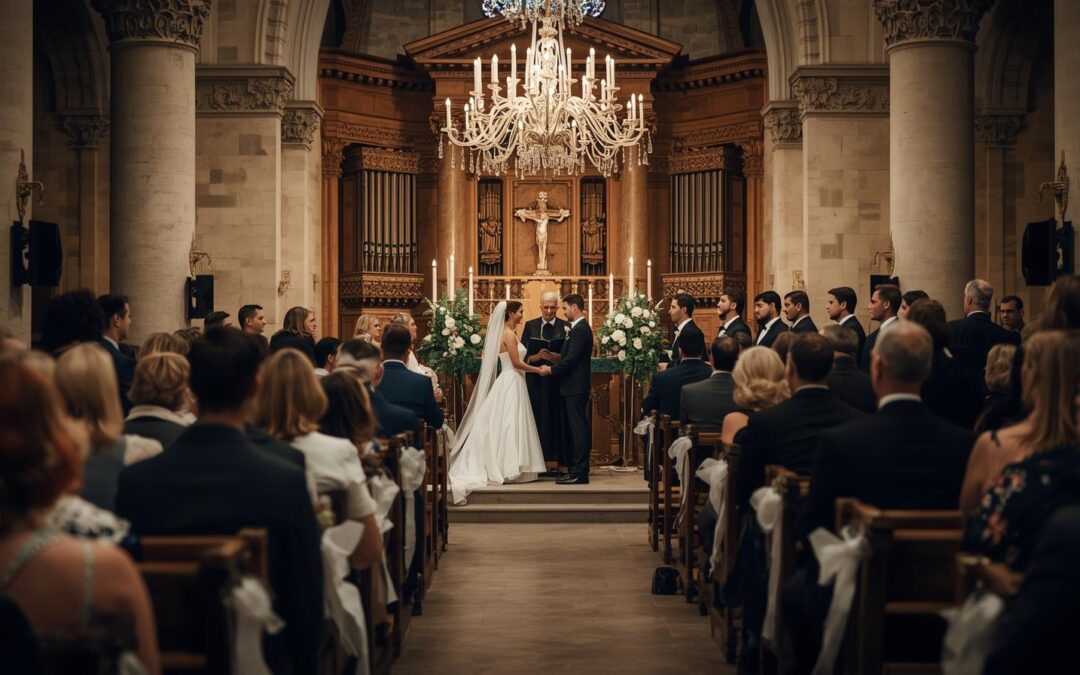
When planning a wedding, most couples focus on décor, photography, food, and music for the reception. However, one crucial element often gets overlooked: ceremony sound. While it may seem minor compared to the grandeur of flowers or the sparkle of the bride’s dress, sound is a critical part of the wedding experience. Poor audio can leave guests straining to hear vows, miss key moments, and ultimately detract from the emotional impact of the ceremony.
In this article, we’ll explore why microphones, speaker placement, and audio clarity are so important, and how investing in quality ceremony sound can elevate a wedding from ordinary to unforgettable.
Why Sound Matters More Than You Think
Weddings are a sensory experience. Guests remember the music, the scents, the visuals—but above all, they remember how the ceremony made them feel. Words spoken during the vows, readings, and speeches carry immense emotional weight, and if these words aren’t heard clearly, the emotional impact diminishes.
The Emotional Connection
Consider this: when a couple exchanges vows, they are sharing intimate promises with one another. These words are meant to resonate not just with the couple but with the audience, symbolizing commitment, love, and family unity. If the officiant’s microphone cuts out, or the speakers are positioned poorly, that connection is compromised.
Even subtle sounds matter. The gentle ring of a bell signaling a moment, a hushed whisper from the bride, or a reading by a close friend—these are small details that lose meaning if not properly amplified.
Guest Experience
Imagine sitting at a wedding where you can barely hear the officiant over the wind or a nearby fountain. Straining to hear vows is distracting and frustrating, turning an emotional moment into a source of tension. Guests may miss the most memorable parts entirely. Clear, balanced audio ensures every attendee, from the front row to the last pew, experiences the ceremony fully.
Beyond the Ceremony
Sound quality also affects photographs and video. Poor audio during vows or speeches can ruin a wedding video, requiring the editors to rely on secondary audio sources or subtitles, losing the live feel. Couples invest thousands in photography and videography—why risk that investment with subpar audio?
Microphones: The Unsung Heroes
Microphones are at the core of any ceremony sound setup, yet they are often treated as an afterthought. Choosing the right type and placement is critical.
Types of Microphones
- Lavalier (Lapels)
- Small, discreet, and clipped to clothing.
- Ideal for officiants or anyone who needs hands-free speaking.
- Can be hidden under clothing for a seamless look.
- Handheld Microphones
- Best for dynamic speakers or readings from multiple people.
- Offers mobility but requires someone to manage it.
- Can introduce handling noise if not used carefully.
- Shotgun/Directional Microphones
- Excellent for outdoor weddings, particularly when background noise is present.
- Focuses on picking up sound from a narrow area.
- Wireless Systems
- Provide flexibility and freedom of movement.
- Reduce tripping hazards with fewer cables.
- Require frequency checks to prevent interference.
Microphone Placement Tips
- Keep microphones close enough to pick up the voice clearly without distortion.
- Avoid placing microphones near reflective surfaces (walls, floors) that can cause feedback.
- Ensure wind protection for outdoor events (windscreens or foam covers).
- Test multiple placements before the ceremony to identify the optimal position.
Proper microphones ensure that every word is heard, no matter the setting—whether in a cathedral with echoing walls or a garden ceremony with background noise.
Speaker Placement: Don’t Overlook the Angles
Even the best microphones are useless if the sound isn’t delivered properly. Speaker placement determines how well audio travels across the venue.
Indoor Ceremonies
- Avoid corners: Placing speakers in corners can create unwanted echoes.
- Height matters: Speakers should be elevated to avoid being blocked by heads or decorations.
- Stereo vs. mono: Stereo can create a natural spread for smaller audiences, but in large venues, mono may ensure more uniform sound coverage.
Outdoor Ceremonies
- Wind and ambient noise: Position speakers closer to the audience rather than the officiant to overcome wind interference.
- Multiple speakers: Use two or more speakers spaced evenly to provide consistent coverage.
- Avoid feedback: Keep microphones and speakers facing away from each other.
Correct speaker placement ensures everyone hears clearly without cranking volumes to uncomfortable levels, which can cause distortion or audio fatigue.
Audio Clarity: The Difference Between Hearing and Understanding
It’s not enough for guests to simply hear sound—they must understand it. This distinction is often overlooked.
The Role of EQ
- Equalization (EQ) balances the audio frequencies.
- Boost mid-range frequencies to enhance speech clarity.
- Reduce low-frequency rumble from wind or footsteps.
- Adjust high frequencies to minimize harshness, which can make microphones sound tinny.
Compression and Limiting
- Compression smooths out volume differences, ensuring softer voices are audible without letting louder speakers peak.
- Limiting prevents sudden loud bursts that could startle or distract guests.
Testing and Adjustments
- Test sound at multiple points in the audience area before the ceremony.
- Listen for echoes, dead zones, or areas where speech is unintelligible.
- Adjust volume, speaker placement, and EQ settings as needed.
Proper audio clarity guarantees that the ceremony’s emotional moments reach everyone in the room—or outdoors.
Common Mistakes Couples and Venues Make
Despite the importance of ceremony sound, mistakes are surprisingly common.
Assuming the Venue Will Handle It
Many venues provide speakers, but often these are intended for background music, not live speech. They may lack microphones or proper amplification for large audiences. Couples should always verify what’s included and what needs to be rented or provided by a professional DJ or audio engineer.
Ignoring Outdoor Challenges
Outdoor ceremonies are particularly tricky. Wind, water features, traffic, and ambient noise all affect sound. Even a beautiful garden wedding can become chaotic if the audio is not addressed.
Using Inadequate Equipment
- Small, portable Bluetooth speakers may seem convenient but are insufficient for ceremonies with more than 20–30 guests.
- Cheap microphones can produce feedback, distortion, or inconsistent volume.
Not Conducting a Sound Check
Skipping a rehearsal or sound check is a critical mistake. Audio setup should mimic the ceremony as closely as possible, including the officiant’s position, the couple’s location, and audience seating.
How a Professional DJ or Audio Specialist Can Help
Wedding DJs often provide more than music—they bring expertise in ceremony audio. Here’s what they do:
- Equipment selection: Choosing microphones, speakers, and wireless systems suitable for the venue.
- Setup and placement: Strategically positioning speakers and cables for optimal coverage.
- Sound checks and adjustments: Testing and fine-tuning EQ, compression, and volume for clarity.
- Real-time monitoring: Adjusting audio during the ceremony to account for unexpected changes.
- Backup plans: Having extra microphones, batteries, and cables in case of technical issues.
Professional guidance ensures that the ceremony goes smoothly, and guests enjoy every word and musical moment.
Case Studies: Real-World Examples
The Outdoor Garden Wedding
A couple had a ceremony in a waterfront garden. The officiant’s voice was drowned out by wind and waves because they relied solely on a small portable speaker. After hiring a professional with proper wireless microphones and dual speakers, guests could clearly hear the vows, and the wedding video captured pristine audio.
The Cathedral Ceremony
A large cathedral amplified reverberation, making voices sound muddy. A professional DJ used directional microphones and EQ adjustments to focus on clarity. As a result, guests in the back could hear every word, and the recorded video had clear sound without post-production fixes.
The Backyard Ceremony
A DIY backyard wedding without proper sound setup left guests craning their necks to hear. Hiring a DJ with portable amplification and lapel microphones transformed the event. Guests commented on how intimate and immersive the ceremony felt, even with 80 people spread across a lawn.
Tips for Couples Planning Ceremony Sound
- Ask the right questions
- “Do you provide microphones for the officiant and speakers for guests?”
- “Do you conduct a rehearsal with full audio setup?”
- Prioritize a sound check
- Check at ceremony time for lighting, wind, and other conditions.
- Consider the environment
- Indoor vs. outdoor setups differ significantly. Adjust speaker type, number, and placement accordingly.
- Invest in professional help
- Even a modest budget for sound can prevent frustration and disappointment.
- Plan for backup
- Extra batteries, cords, or even a second microphone can save a ceremony from disaster.
- Integrate with video and photography
- Coordinate mic placement to avoid visual obstructions and ensure clear audio capture for videographers.
Conclusion: Ceremony Sound Is Worth Every Penny
Sound may be invisible, but it is central to the wedding experience. From intimate vows to powerful readings, clarity ensures that every guest feels present and connected. Microphones, speaker placement, and audio clarity are not just technical details—they shape the emotional resonance of the day.
Overlooking sound can leave guests straining to hear, rob a couple of their memorable moments, and even compromise photography and video. Conversely, investing in professional sound setup elevates the ceremony, leaving a lasting impression on everyone in attendance.
For couples planning their wedding, sound should not be an afterthought—it is an essential part of creating a magical, unforgettable day. Whether it’s a garden, cathedral, or backyard wedding, the right microphones, strategic speaker placement, and audio clarity will ensure every word, note, and sigh is heard exactly as it should be.